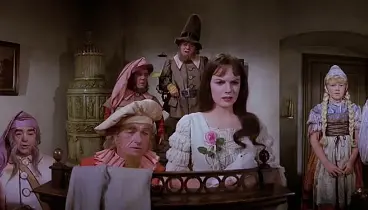
The Wonderful World of the Brothers Grimm (1962)

moviescout.org – “The Wonderful World of the Brothers Grimm” is a 1962 fantasy film that brings to life the enchanting stories of the legendary storytellers, Jacob and Wilhelm Grimm. Directed by Henry Levin and George Pal, this whimsical film combines biography and fantasy, weaving together the personal history of the Brothers Grimm with dramatizations of some of their most beloved fairy tales.

Plot Overview

The film is structured around two parallel narratives: the lives of the Brothers Grimm and the magical tales they collected. The main storyline follows:

  1. Jacob Grimm (played by Karlheinz Böhm): The more scholarly and serious of the two brothers, focused on their historical research.
  2. Wilhelm Grimm (played by Laurence Harvey): The more imaginative and romantic brother, enthusiastic about collecting fairy tales.

As the brothers work on a biography for a local duke, they become increasingly immersed in the world of folklore and fantasy, leading to the dramatization of three classic Grimm tales:

  • “The Dancing Princess”: A story of a princess who dances every night in a secret location, and the soldier who discovers her mystery.
  • “The Cobbler and the Elves”: A heartwarming tale about a cobbler who receives magical assistance from a group of helpful elves.
  • “The Singing Bone”: A darker story about bravery and betrayal involving a knight and a magical boar.

Setting and Cinematography

The film is notable for its use of Cinerama, a widescreen format that enhances the visual experience with panoramic shots and vivid colors. The fairy tale sequences are richly detailed, capturing the fantastical elements of each story with elaborate costumes and set designs. The film seamlessly transitions between the real and fantasy worlds, creating an immersive experience for the audience.

Themes and Style

“The Wonderful World of the Brothers Grimm” explores themes of imagination, storytelling, and the enduring power of folklore. The film celebrates the legacy of the Brothers Grimm, highlighting their contributions to literature and their impact on cultural history. Its style blends fantasy with biography, using a mix of live-action and special effects to bring the stories to life.

Music and Performances

The film features a musical score by Leigh Harline that enhances its magical atmosphere. The performances by Karlheinz Böhm and Laurence Harvey anchor the film, with both actors capturing the contrasting personalities of the Grimm brothers. The supporting cast adds depth to the fairy tale segments, bringing to life a range of fantastical characters.

Reception and Legacy

Upon its release, “The Wonderful World of the Brothers Grimm” was praised for its visual spectacle and inventive storytelling. It received several award nominations, including an Academy Award nomination for Best Costume Design. The film remains a beloved classic, cherished for its imaginative approach to the Grimm brothers’ legacy and its celebration of storytelling.

Conclusion

“The Wonderful World of the Brothers Grimm” is a captivating film that transports audiences to a world of fantasy and folklore. With its enchanting tales, stunning visuals, and heartfelt tribute to the power of storytelling, the film continues to delight viewers, preserving the magic of the Brothers Grimm for generations to come.
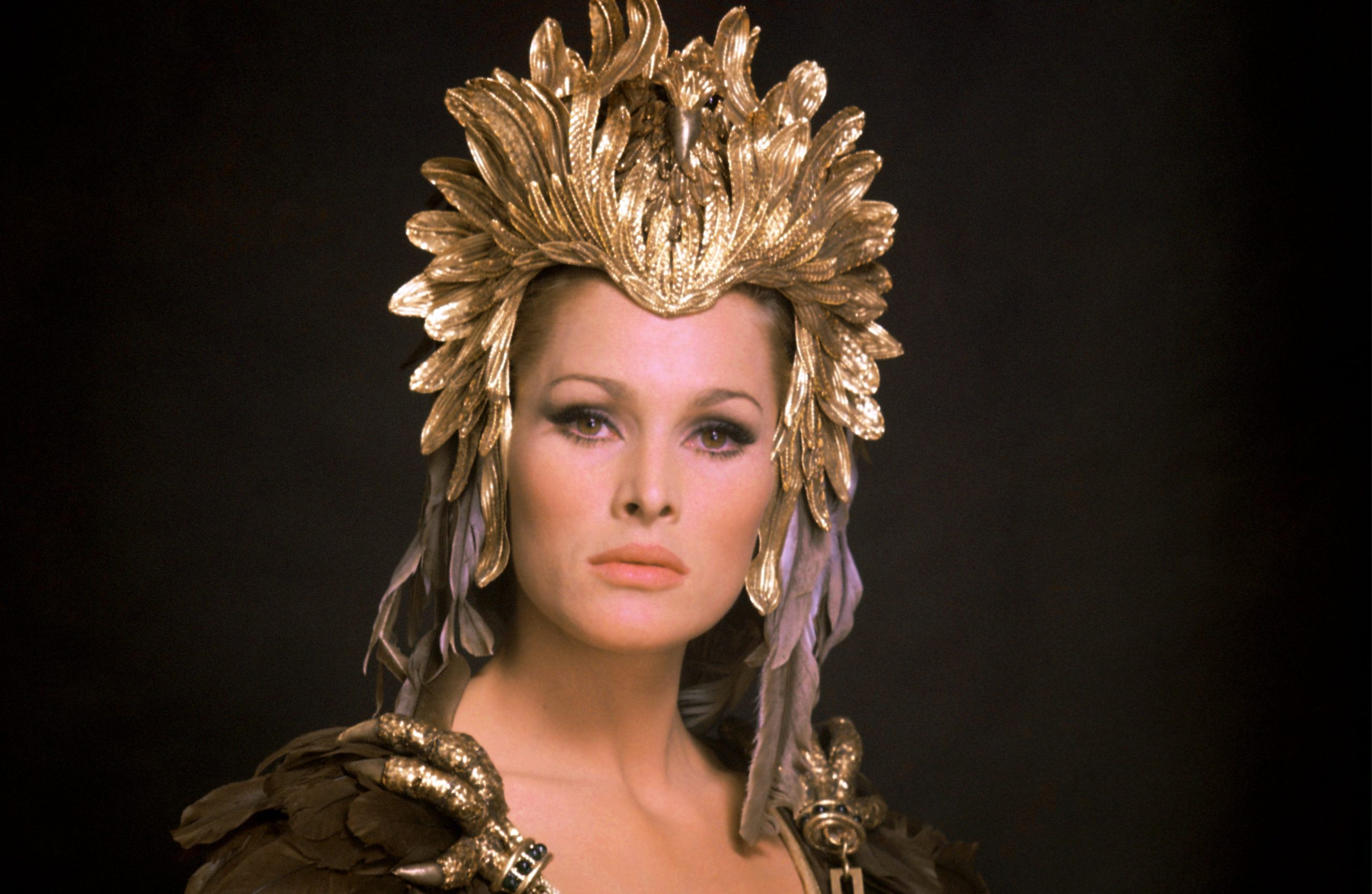
“She” (1965): A Cinematic Journey into Adventure and Myth

moviescout.org – “She,” directed by Robert Day and released in 1965, is a British adventure film that captures the imagination with its blend of romance, adventure, and the mystical allure of immortality. Based on H. Rider Haggard’s 1887 novel of the same name, the film offers a glimpse into a world where the past and present merge through the timeless quest for eternal life.

Exploring the Plot: A Tale of Adventure and Immortality

Set in the post-World War I era, “She” follows the journey of three British explorers—Leo Vincey, played by John Richardson; his friend Horace Holly, portrayed by Peter Cushing; and their guide, Job, played by Bernard Cribbins. Their expedition takes them to a lost city in the African desert, where they encounter the enigmatic Ayesha, or “She Who Must Be Obeyed,” played by Ursula Andress. Ayesha believes Leo to be the reincarnation of her long-lost lover, igniting a tale of love, power, and destiny.

The Cast and Their Performances

Ursula Andress delivers a captivating performance as Ayesha, exuding both regal authority and deep vulnerability. Her portrayal brings a mesmerising quality to the character, drawing viewers into her mystical world. Peter Cushing’s portrayal of the scholarly Horace Holly adds depth and credibility to the narrative, while John Richardson’s role as Leo provides the romantic tension central to the plot.

Visuals and Cinematic Style

The film is noted for its striking cinematography and set design, capturing the grandeur and mystery of Ayesha’s lost city. The use of CinemaScope enhances the epic scale of the desert landscapes and the architectural splendour of the ancient city, immersing audiences in a visually stunning adventure.

Critical Reception and Legacy

Upon its release, “She” received mixed reviews, with some critics praising its visual appeal and others critiquing its pacing and narrative cohesion. Despite initial criticisms, the film has gained a cult following over the years, appreciated for its ambitious storytelling and the iconic performance of Ursula Andress.

Conclusion: The Enduring Allure of “She”

“She” (1965) remains a fascinating exploration of timeless themes—love, power, and the quest for immortality. Its blend of adventure and myth continues to captivate audiences, ensuring its place in the annals of classic adventure cinema. As viewers revisit this film, they are reminded of the enduring power of storytelling and the eternal allure of the unknown.

The Adventure of Lost Tooth – The Journey Begins

moviescout.org – Losing a tooth can be a momentous event in the life of a child, marking the transition from baby teeth to adult teeth. It’s a time filled with excitement, anticipation, and sometimes a little bit of worry. “The Adventure of Lost Tooth” captures this unique experience, blending imagination with the everyday reality of growing up.

The Journey Begins

Our story starts with a young girl named Lily, who discovers that one of her teeth is wiggling. At first, she’s unsure about what this means. Her parents reassure her that this is completely normal and that losing a tooth is a part of growing up. Armed with this knowledge, Lily sets off on her adventure.

The Wiggle and the Wait

Lily’s tooth becomes a central figure in her daily life. She learns to wiggle it with her tongue, showing it off to friends and family. Each day, she eagerly checks to see if it’s ready to come out. Her friends share their own stories of lost teeth, adding to the excitement.

The Tooth Fairy Tale

As the days go by, Lily’s anticipation grows. Her parents tell her about the Tooth Fairy, a magical figure who visits children after they lose a tooth. Lily imagines the fairy’s visit and starts planning where to leave her tooth. She decides on a small, decorated box placed carefully under her pillow.

The Big Day Arrives

Finally, the day arrives when Lily’s tooth is ready to come out. With a gentle pull, the tooth is free, and Lily is filled with a mix of pride and excitement. She places it in the special box, ready for the Tooth Fairy’s visit.

A Magical Night

That night, Lily goes to bed with a sense of wonder. She dreams of the Tooth Fairy visiting her room, leaving behind a small gift in exchange for her tooth. In the morning, she wakes up to find a shiny coin under her pillow, confirming that the Tooth Fairy had indeed visited.

Growing Up

The adventure of losing a tooth is more than just a rite of passage. For Lily, it’s a reminder of the magic in everyday life and a step towards growing up. Each lost tooth becomes a cherished memory, marking her journey from childhood to adolescence.

Conclusion

“The Adventure of Lost Tooth” is a story that every child can relate to. It captures the excitement and wonder of losing a tooth, blending imagination with reality. Whether it’s the anticipation of a wiggly tooth, the magic of the Tooth Fairy, or the joy of growing up, this adventure is one that will be remembered for years to come.

A Timeless Tale of Adventure and Loss: The Last of the Mohicans

The Last of the Mohicans, penned by James Fenimore Cooper in 1826, is a seminal work in American literature that has captivated readers for nearly two centuries. Set against the backdrop of the French and Indian War in the late 1750s, this novel is the second installment in Cooper’s Leatherstocking Tales, which follows the adventures of the frontiersman Natty Bumppo, known to the Native Americans as Hawkeye. The story is not only a thrilling adventure but also a poignant reflection on the inevitable clash of cultures and the vanishing way of life for Native American tribes.

The narrative revolves around a group of English colonists, including the sisters Cora and Alice Munro, who are escorted through dangerous territory by Hawkeye, his Mohican companions Chingachgook and Uncas, and the loyal scout Major Heyward. Their journey is fraught with peril as they navigate the war-torn wilderness, pursued by hostile Huron warriors led by the cunning Magua, who seeks revenge against the Munro sisters and their father.

Cooper’s portrayal of the frontier is vivid and immersive, bringing to life the dense forests, rugged mountains, and turbulent rivers that serve as the setting for this epic tale. The author’s attention to detail in describing the natural environment and the survival skills of his characters is unparalleled, offering readers a glimpse into the harsh realities of life on the edge of civilization.

At the heart of The Last of the Mohicans is the theme of the inevitable decline of Native American culture. Chingachgook and Uncas, the last of the Mohican tribe, embody the nobility and tragedy of their people. Their struggle to maintain their identity and way of life in the face of European encroachment is a powerful commentary on the loss of indigenous cultures. Uncas, in particular, represents the last hope for his people, and his tragic end symbolizes the end of an era.

The novel also explores themes of honor, loyalty, and the complexities of human nature. Hawkeye, though not of Native American descent, is a bridge between the two cultures, embodying the best qualities of both. His deep respect for the Mohican way of life and his commitment to his adopted family highlight the possibility of understanding and coexistence between different peoples.

The relationship between Hawkeye and the Munro sisters adds a romantic element to the story, particularly through the developing bond between Hawkeye and Cora. This relationship is not merely a romantic subplot but serves to underscore the themes of courage, sacrifice, and the strength of character that Cooper admires in his characters.

The Last of the Mohicans has been adapted numerous times for film and television, with the 1992 film adaptation directed by Michael Mann being one of the most well-known. The film, starring Daniel Day-Lewis as Hawkeye, brings the novel’s action and emotion to the screen, capturing the essence of Cooper’s story while updating it for a modern audience.

In conclusion, The Last of the Mohicans is more than just a historical adventure novel; it is a profound exploration of the clash between cultures, the inevitability of change, and the enduring spirit of those who strive to preserve their heritage in the face of adversity. James Fenimore Cooper’s masterpiece remains a timeless work that continues to resonate with readers, reminding us of the rich tapestry of American history and the complex legacy of its indigenous peoples.