Beans: Nutritional Powerhouses of the Plant Kingdom

moviescout.org – Beans, belonging to the legume family (Fabaceae), are edible seeds that have been a staple food for diverse cultures around the world for millennia. From the humble black-eyed pea to the versatile kidney bean, this diverse group of plants offers a wealth of nutritional benefits, culinary adaptability, and environmental advantages. This article explores the world of beans, delving into their varieties, nutritional value, culinary uses, and impact on sustainable agriculture.   

A Global History: From Ancient Civilizations to Modern Diets

Beans have a rich history, with archaeological evidence suggesting their consumption dates back thousands of years. They were cultivated by ancient civilizations in the Middle East, South America, and Asia, forming an integral part of their diets. The spread of beans across the globe was facilitated by trade and migration, leading to the development of countless regional varieties and culinary traditions. Today, beans are cultivated and consumed worldwide, playing a crucial role in food security and nutrition, particularly in developing countries.   

Diversity in the Bean Family: A Spectrum of Shapes, Sizes, and Colors

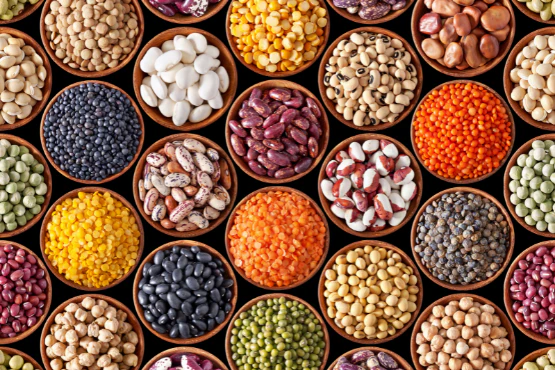
The legume family is vast, encompassing a wide array of bean varieties, each with unique characteristics. Some of the most commonly consumed beans include:   

  • Common Beans (Phaseolus vulgaris): This group includes kidney beans, pinto beans, black beans, navy beans, and cranberry beans. They are known for their diverse shapes, sizes, and colors, and are widely used in cuisines around the world.   
  • Lima Beans (Phaseolus lunatus): Also known as butter beans, these beans have a distinctive flat, broad shape and a creamy texture.   
  • Black-Eyed Peas (Vigna unguiculata): These small, oval-shaped beans have a characteristic black “eye” and are popular in Southern US cuisine and African dishes.   
  • Chickpeas (Cicer arietinum): Also known as garbanzo beans, these round, nutty-flavored beans are a staple in Middle Eastern and Indian cuisine.   
  • Lentils (Lens culinaris): These small, lens-shaped legumes come in various colors, including brown, green, red, and black. They cook quickly and are often used in soups, stews, and salads.   
  • Fava Beans (Vicia faba): Also known as broad beans, these large, flat beans are popular in Mediterranean and Middle Eastern cuisine.   

Nutritional Profile: A Treasure Trove of Nutrients

Beans are nutritional powerhouses, offering a wealth of essential nutrients that contribute to overall health and well-being.   

  • Protein: Beans are an excellent source of plant-based protein, making them a valuable food for vegetarians and vegans.   
  • Fiber: Beans are high in both soluble and insoluble fiber, which promotes digestive health, regulates blood sugar levels, and helps lower cholesterol.   
  • Complex Carbohydrates: Beans provide complex carbohydrates, which are a slow-releasing source of energy.  
  • Vitamins and Minerals: Beans are rich in various vitamins and minerals, including iron, folate, potassium, magnesium, and zinc.   
  • Antioxidants: Beans contain antioxidants, which help protect the body against cell damage.   

Culinary Versatility: From Soups to Desserts

Beans are incredibly versatile in the kitchen, adapting to a wide range of culinary applications.   

  • Soups and Stews: Beans are often used as a key ingredient in soups and stews, adding thickness, flavor, and nutritional value.   
  • Salads: Cooked beans can be added to salads for a boost of protein and fiber.   
  • Dips and Spreads: Beans can be mashed or pureed to create dips and spreads, such as hummus (made from chickpeas).   
  • Main Dishes: Beans can be used as the main ingredient in vegetarian and vegan dishes, such as bean burgers, chili, and curries.   
  • Side Dishes: Beans can be served as a side dish, either on their own or combined with other vegetables and grains.   
  • Desserts: In some cultures, beans are even used in desserts, such as sweet bean paste used in Asian pastries.   

Preparing Beans: Soaking and Cooking

Dried beans require soaking and cooking before consumption to soften them and improve digestibility.

  • Soaking: Soaking dried beans in water for several hours or overnight helps to reduce cooking time and remove some of the compounds that can cause gas.   
  • Cooking: Beans can be cooked on the stovetop, in a slow cooker, or in a pressure cooker. They should be cooked until they are tender but not mushy.

Benefits for Sustainable Agriculture: Nitrogen Fixation

Beans play a crucial role in sustainable agriculture due to their ability to fix nitrogen from the atmosphere. This process enriches the soil with nitrogen, reducing the need for synthetic fertilizers. This makes beans an environmentally friendly crop that contributes to soil health and sustainable farming practices.   

Beans in a Healthy Diet: Recommendations and Considerations

Beans are an important part of a healthy and balanced diet. Dietary guidelines recommend including beans and other legumes regularly. However, some people may experience gas and bloating after consuming beans due to their high fiber content. Gradually increasing bean intake and using methods like soaking and rinsing can help to minimize these effects.   

Conclusion: A Staple Food with Enduring Value

Beans are a versatile, nutritious, and sustainable food that has played a vital role in human diets for centuries. From their rich history to their diverse culinary applications and environmental benefits, beans continue to be a valuable food source for people around the world. Their affordability and nutritional density make them an essential component of a healthy and sustainable food system.

Pita: A Versatile Flatbread with Ancient Roots

moviescout.org – Pita bread, a flat, leavened bread, has been a staple food in the Middle East and Mediterranean regions for centuries. Its versatility, ease of preparation, and delicious flavor have made it a beloved food worldwide. Pita bread is typically made from wheat flour, water, yeast, and salt. The dough is rolled out thin and cooked in a hot oven or on a griddle until it puffs up into a pocket-like shape.

A Culinary Canvas

The unique shape of pita bread makes it an ideal vessel for a variety of fillings. It can be enjoyed on its own, dipped in hummus or olive oil, or filled with a myriad of ingredients. Here are some popular ways to enjoy pita bread:

  • Pita Pockets: Fill pita bread with grilled meat, such as shawarma or gyros, along with fresh vegetables like lettuce, tomatoes, and onions. Add a dollop of tzatziki sauce or hummus for extra flavor.
  • Pita Pizza: Top pita bread with your favorite pizza toppings, such as tomato sauce, cheese, and various vegetables. Bake until the cheese is melted and bubbly.
  • Pita Chips: Cut pita bread into triangles and bake them until crispy. Serve them with your favorite dips, such as guacamole or salsa.
  • Breakfast Pita: Fill pita bread with scrambled eggs, cheese, and vegetables for a quick and easy breakfast.

A Cultural Symbol

Pita bread is more than just a food; it is a cultural symbol that has been passed down through generations. It is often shared among family and friends, symbolizing hospitality and togetherness. In many cultures, pita bread is an integral part of religious ceremonies and celebrations.

The Golden Delight: A Comprehensive Look at Mandarins

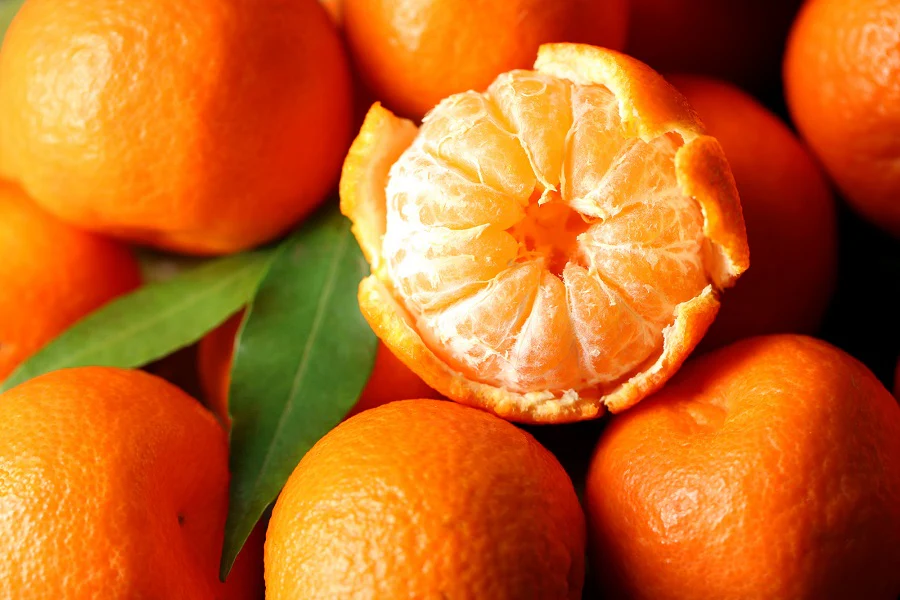
moviescout.org – Mandarins, with their vibrant orange hue and sweet-tart flavor, are a popular citrus fruit enjoyed worldwide. These small, easy-to-peel fruits are not only delicious but also packed with essential vitamins and minerals. From their culinary uses to their health benefits, mandarins have earned their place as a beloved seasonal treat.

A Brief History

Mandarins are believed to have originated in China, where they have been cultivated for thousands of years. They were introduced to Europe by Portuguese explorers in the 16th century and later spread to the Americas. Today, mandarins are grown in many countries with warm climates, including Spain, Italy, California, and Florida.

Types of Mandarins

There are numerous varieties of mandarins, each with its unique characteristics. Some of the most popular types include:

  • Clementines: Small, seedless mandarins with a sweet flavor.
  • Satsumas: Easy-to-peel mandarins with a sweet, juicy flavor.
  • Tangerines: A larger variety of mandarin with a slightly tangier flavor.

Nutritional Benefits

Mandarins are a nutritional powerhouse, offering a range of health benefits:

  • Vitamin C: Mandarins are an excellent source of vitamin C, which is essential for immune function and skin health.
  • Antioxidants: The antioxidants in mandarins help protect cells from damage caused by free radicals.
  • Fiber: Mandarins are a good source of fiber, which aids in digestion and promotes satiety.
  • Potassium: Potassium is essential for maintaining healthy blood pressure.

Culinary Uses

Mandarins are a versatile ingredient that can be enjoyed in a variety of ways:

  • Fresh: Mandarins can be eaten fresh, peeled, or segmented.
  • Juiced: Mandarin juice is a refreshing and healthy beverage.
  • Salads: Mandarins can add a burst of flavor and color to salads.
  • Desserts: Mandarins can be used to make sorbets, jellies, and other desserts.
  • Baking: Mandarin zest and juice can be used to flavor cakes, cookies, and other baked goods.

Health Benefits

In addition to their nutritional value, mandarins have several health benefits:

  • Digestive Health: Mandarins can help stimulate digestion and relieve constipation.
  • Immune Boost: The vitamin C in mandarins can help boost the immune system and protect against infections.
  • Skin Health: The antioxidants in mandarins can help protect the skin from damage caused by free radicals.

Selecting and Storing Mandarins

When selecting mandarins, choose fruits that are firm, heavy for their size, and have a bright orange color. Avoid mandarins with blemishes or soft spots. Store mandarins in a cool, dry place, away from direct sunlight.

Conclusion

Mandarins, with their sweet-tart flavor, vibrant color, and numerous health benefits, are a delightful seasonal treat. Whether you enjoy them fresh, juiced, or in various culinary preparations, mandarins are sure to brighten your day.

Sujeonggwa: The Refreshing Korean Cinnamon Punch

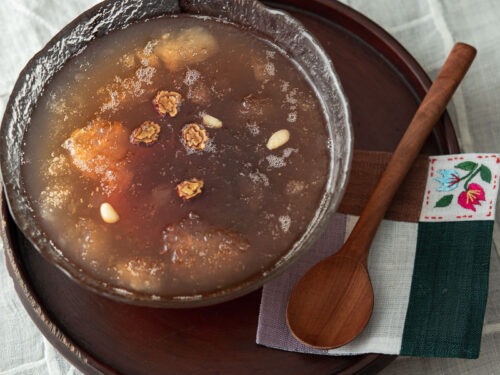
moviescout.org – Sujeonggwa is a traditional Korean beverage that stands out for its unique blend of flavors and its aromatic, sweet, and spicy profile. Often enjoyed as a dessert-drink or a festive refreshment, Sujeonggwa is cherished for its ability to warm the soul in colder months and refresh the palate year-round.

Historical Background and Cultural Significance

Sujeonggwa has a long history in Korean culture, dating back to the Goryeo Dynasty (918–1392). Traditionally served during special occasions and celebrations, it has become a popular drink for holidays such as Seollal (Lunar New Year) and Chuseok (Korean Harvest Festival). Its cultural significance is deeply intertwined with Korean hospitality and the art of balancing flavors.

Ingredients and Unique Flavor Profile

The primary ingredients in Sujeonggwa are cinnamon, ginger, and dried persimmons. These ingredients combine to create a complex and inviting flavor profile:

  • Cinnamon: Provides a warm and spicy aroma, which is the backbone of the drink.
  • Ginger: Adds a subtle heat and refreshing quality.
  • Dried Persimmons: Contribute natural sweetness and a rich, fruity depth.

Additional ingredients like pine nuts, sugar, and honey are often added to enhance the flavor and texture of the punch.

Preparation Method

  1. Simmering the Spices: Begin by boiling cinnamon sticks and slices of ginger in water for about 30-40 minutes. This allows the flavors to infuse fully into the liquid, creating a spiced base for the punch.
  2. Sweetening the Base: Strain the liquid to remove the spices, then add sugar or honey to taste. The sweetness level can be adjusted according to personal preference.
  3. Adding Dried Persimmons: Introduce dried persimmons to the flavored liquid and allow them to steep. This not only sweetens the punch naturally but also imparts the distinct flavor of persimmons.
  4. Chilling the Punch: Once the persimmons have infused, chill the beverage in the refrigerator. Sujeonggwa is traditionally served cold, making it a refreshing treat.
  5. Garnishing: Before serving, garnish each cup with a few pine nuts, adding a delicate nutty aroma and a pleasing visual touch.

Serving Suggestions

Sujeonggwa is best served cold in small bowls or cups. Its sweet and spicy flavor makes it an excellent palate cleanser, and it pairs well with various Korean desserts, such as rice cakes. Its warm spices also make it a comforting drink during cold weather, providing a cozy and nostalgic experience.

Conclusion

Sujeonggwa is more than just a beverage; it’s a celebration of Korean culinary traditions and the harmonious blending of flavors. Whether enjoyed during festive gatherings or as a delightful end to a meal, Sujeonggwa offers a taste of Korea’s rich cultural heritage in every sip. Its unique combination of ingredients makes it a memorable drink that continues to be loved by many.

Satay: A Flavorful Journey Through Southeast Asia

moviescout.org – Satay, a dish that has captured the hearts and palates of food lovers worldwide, is a delightful culinary creation originating from Southeast Asia. This skewered and grilled meat is not only a staple in its homeland but has also gained international popularity for its savory flavors and versatility. In this article, we will explore the history, preparation, variations, and cultural significance of satay.

The Origins of Satay

Satay’s origins can be traced back to the Indonesian island of Java, where it is believed to have been inspired by Middle Eastern kebabs. The dish was introduced by Muslim traders and quickly adapted to local tastes and ingredients. From Indonesia, satay spread to neighboring countries such as Malaysia, Thailand, and Singapore, each developing its unique version of the dish.

Preparing Satay: Ingredients and Techniques

The preparation of satay involves marinating small pieces of meat—commonly chicken, beef, or lamb—in a flavorful mixture of spices and coconut milk. The marinated meat is then threaded onto bamboo skewers and grilled over an open flame. The result is a smoky, charred exterior with a juicy and tender interior.

A key component of satay is the accompanying sauce, often a rich and creamy peanut sauce. This sauce combines roasted peanuts, soy sauce, garlic, and a hint of chili for a perfect balance of sweet, savory, and spicy flavors.

Regional Variations

Satay has many regional variations, each offering a unique taste experience. In Indonesia, you might find Sate Ayam (chicken satay) served with a tangy soy sauce, while in Malaysia, Satay Kajang is famous for its larger skewers and sweeter sauce. Thai satay, known as Moo Satay, often features pork and is accompanied by a cucumber relish.

Cultural Significance and Enjoyment

Satay is more than just a dish; it is a cultural icon that brings people together. It is commonly enjoyed at street food stalls, night markets, and family gatherings, making it a symbol of community and shared experiences. In countries like Indonesia and Malaysia, satay is a popular choice during festive occasions and celebrations.

Satay in Global Cuisine

The global popularity of satay has led to its adaptation in various cuisines around the world. In Western countries, satay is often served as an appetizer or party snack, with chefs experimenting with different meats and marinades to suit local tastes. The dish’s versatility and universal appeal make it a favorite among those seeking a taste of Southeast Asian cuisine.

Conclusion

Satay is a testament to the rich culinary traditions of Southeast Asia, offering a delightful combination of flavors that transcend borders. Whether enjoyed in its traditional form or as a fusion dish, satay continues to captivate food enthusiasts with its delicious taste and cultural significance. So, the next time you savor a skewer of satay, remember the journey it has taken from the bustling streets of Java to tables around the world.

Surga Kuliner Musim Dingin: 5 Daya Tarik Pulau Bersalju di Jepang untuk Para Pecinta Makanan

moviescout.org – Jepang, dengan keindahan alamnya yang memukau dan budaya yang kaya, juga dikenal sebagai salah satu destinasi kuliner terbaik di dunia. Salah satu yang paling menarik adalah pulau-pulau bersalju di Jepang, yang tidak hanya menawarkan pemandangan yang mempesona, tetapi juga pengalaman kuliner yang tak terlupakan. Berikut adalah lima daya tarik kuliner musim dingin yang menjadikan pulau-pulau bersalju di Jepang sebagai surga bagi para pecinta makanan.

1. Makanan Laut Segar dari Laut Jepang

surga-kuliner-musim-dingin-5-daya-tarik-pulau-bersalju-di-jepang-untuk-para-pecinta-makanan

Salah satu daya tarik utama dari pulau-pulau bersalju di Jepang adalah kelezatan makanan lautnya. Dengan lokasi yang strategis, pulau-pulau ini dikelilingi oleh Laut Jepang, menjadikannya sumber makanan laut yang melimpah. Di musim dingin, berbagai jenis ikan dan makanan laut segar, seperti kepiting, kerang, dan ikan cod, menjadi hidangan khas yang wajib dicoba. Restoran-restoran di daerah ini menyajikan makanan laut dengan cara tradisional, sering kali menggunakan metode memasak yang mempertahankan rasa alami dan kesegaran bahan.

2. Nabe: Hidangan Hangat yang Menggugah Selera

surga-kuliner-musim-dingin-5-daya-tarik-pulau-bersalju-di-jepang-untuk-para-pecinta-makanan

Saat suhu turun, tidak ada yang lebih memuaskan daripada menikmati nabe, yaitu sup atau rebusan Jepang yang disajikan dalam panci besar. Di pulau-pulau bersalju, nabe seringkali disajikan dengan bahan-bahan lokal, seperti sayuran segar, tofu, dan daging, terutama daging sapi wagyu yang terkenal. Pengalaman makan nabe biasanya diiringi dengan berkumpul bersama keluarga atau teman-teman, membuatnya semakin istimewa. Kelezatan sup yang hangat ini sangat cocok untuk menghangatkan tubuh di tengah cuaca dingin.

3. Sake: Minuman Tradisional yang Menghangatkan

surga-kuliner-musim-dingin-5-daya-tarik-pulau-bersalju-di-jepang-untuk-para-pecinta-makanan

Ketika membahas kuliner Jepang, tidak lengkap rasanya jika tidak menyebut sake. Pulau-pulau bersalju di Jepang memiliki beberapa pabrik sake yang terkenal. Di musim dingin, menikmati segelas sake hangat menjadi tradisi yang menyenangkan. Sake yang dihasilkan dari beras lokal dan air pegunungan yang jernih memberikan rasa yang unik dan khas. Banyak pengunjung yang menikmati sake sambil mengagumi pemandangan salju yang menakjubkan, menjadikannya pengalaman yang tak terlupakan.

4. Kaiseki: Seni Makan yang Memanjakan Lidah

surga-kuliner-musim-dingin-5-daya-tarik-pulau-bersalju-di-jepang-untuk-para-pecinta-makanan

Bagi pecinta kuliner yang ingin merasakan pengalaman makan yang mewah, kaiseki adalah pilihan yang sempurna. Hidangan ini terdiri dari beberapa piring kecil yang disajikan dengan cara yang sangat estetis. Di pulau-pulau bersalju, kaiseki sering kali menggunakan bahan-bahan musiman yang segar, menciptakan harmoni rasa yang sempurna. Setiap hidangan dirancang untuk mencerminkan keindahan alam, dan sering kali disajikan dengan pemandangan salju yang menakjubkan, menambah nilai seni dari pengalaman makan ini.

5. Dessert Musim Dingin yang Menggoda

surga-kuliner-musim-dingin-5-daya-tarik-pulau-bersalju-di-jepang-untuk-para-pecinta-makanan

Tak lengkap rasanya berkunjung ke pulau-pulau bersalju tanpa mencicipi dessert khasnya. Di musim dingin, berbagai dessert tradisional slot server jepang, seperti mochi (kue beras), taiyaki (kue berbentuk ikan yang diisi dengan pasta kacang merah), dan dorayaki (pancake isi pasta kacang merah) menjadi favorit. Banyak kafe dan toko yang menawarkan versi unik dari dessert ini, sering kali ditambah dengan bahan lokal, seperti chestnut dan buah musiman lainnya. Menikmati dessert sambil bersantai di tempat yang hangat merupakan pengalaman yang memanjakan.

Pulau-pulau bersalju di Jepang adalah surga bagi para pecinta makanan, terutama di musim dingin. Dengan berbagai pilihan kuliner yang menggugah selera, dari makanan laut segar hingga hidangan tradisional yang hangat, setiap kunjungan akan meninggalkan kesan yang mendalam. Jika Anda mencari pengalaman kuliner yang tak terlupakan, pulau-pulau bersalju di Jepang adalah destinasi yang tidak boleh dilewatkan. Selamat menikmati kelezatan kuliner Jepang!

A Bakery Classic: The Sweet Delight of Honey Bun

moviescout.org – The honey bun, a beloved treat found in bakeries and cafes around the world, is more than just a sweet pastry; it’s a symbol of comfort and indulgence. This article explores the history, characteristics, and enduring popularity of the honey bun, delving into what makes this confection so irresistible.

The Origins of the Honey Bun

The honey bun has its roots in European baking traditions, with influences from various cultures over the centuries. Its precursors can be traced back to medieval times, when honey was a prized sweetener used in a variety of baked goods. The modern honey bun, as we know it, evolved in the United States, where it became a staple in bakeries and a favorite among consumers for its sweet, sticky glaze and soft, fluffy texture.

Characteristics of a Honey Bun

A classic honey bun is typically made from a rich, buttery dough that is rolled out, filled with a sweet honey-infused mixture, and then rolled up into a spiral shape. The bun is then topped with a generous drizzle of honey glaze, which gives it its signature sticky, sweet finish. Some variations include the addition of nuts, cinnamon, or even chocolate chips, catering to a wide range of tastes and preferences.

The Appeal of the Honey Bun

The honey bun’s appeal lies in its perfect balance of flavors and textures. The soft, fluffy dough contrasts beautifully with the sweet, sticky glaze, creating a delightful eating experience. Moreover, the use of honey as a primary sweetener adds a unique depth of flavor, making the honey bun stand out among other pastries. Its versatility also means that it can be enjoyed at any time of day, from a sweet breakfast treat to a comforting afternoon snack.

Honey Bun in Popular Culture

The honey bun has made appearances in various forms of media and popular culture, often symbolizing comfort and nostalgia. It has been featured in movies, television shows, and literature, where it plays a role in creating warm, cozy scenes. The honey bun’s universal appeal and comforting qualities make it a beloved subject in food writing and culinary arts, inspiring bakers and home cooks alike to recreate this classic treat.

Conclusion

The honey bun, with its rich history and irresistible combination of flavors and textures, remains a favorite among pastry lovers. Its enduring popularity is a testament to its ability to evoke feelings of comfort and indulgence. Whether enjoyed as a special treat or a regular indulgence, the honey bun continues to delight taste buds and warm hearts around the world. As we savor this sweet confection, we can appreciate the craftsmanship and tradition that go into making each honey bun a delightful experience.

The Art of the Crêpe and Beyond: French Street Food

moviescout.org – France, with its rich culinary traditions, is renowned for its haute cuisine, but the country’s street food scene is equally deserving of recognition. French street food is a testament to the nation’s love for good food, offering a range of delicious and convenient options for those on the go. Among the most iconic of these is the crêpe, a versatile and beloved street snack that embodies the art of French street food.

The History of French Street Food

French street food has its origins in the medieval period, when vendors sold food to workers and travelers in the streets. Over the centuries, this tradition evolved, with each region developing its own specialties. Today, street food in France is a vibrant part of the culinary landscape, reflecting the country’s diverse regional cuisines and its innovative approach to food.

The Art of the Crêpe

The crêpe is a thin pancake made from flour, milk, and eggs, cooked on a large, flat griddle. It is both a savory and sweet delight, with fillings ranging from ham and cheese to Nutella and bananas. The art of making the perfect crêpe lies in the delicate balance of ingredients and the skillful handling of the griddle, ensuring that the crêpe is thin, light, and evenly cooked.

Savory Crêpes

Savory crêpes, known as “galettes” when made with buckwheat flour, are a staple of French street food. They are typically filled with combinations of cheese, ham, eggs, and vegetables, offering a satisfying meal that can be enjoyed at any time of the day.

Sweet Crêpes

Sweet crêpes are a favorite among both children and adults. Filled with chocolate spread, fruit, whipped cream, or caramel, they are the perfect indulgent treat. The artistry in sweet crêpes lies in the creativity of the fillings and the presentation, making each crêpe a delightful experience.

Beyond the Crêpe

While the crêpe is undoubtedly the star of French street food, there are many other delectable options to explore.

Sandwiches and Baguettes

French sandwiches, often made with freshly baked baguettes, are a common sight at street food stalls. Fillings can range from the classic jambon-beurre (ham and butter) to more elaborate combinations including cheese, vegetables, and meats.

Tartiflette

Originating from the Alps, the tartiflette is a hearty dish made with potatoes, reblochon cheese, onions, and lardons. It is a comforting option for colder days, offering a taste of mountain cuisine in the city streets.

Churros and Other Sweets

Inspired by global cuisines, French street food vendors also offer treats like churros, a Spanish-origin pastry served with a dipping sauce, often chocolate. These international influences add to the diversity and appeal of French street food.

The Future of French Street Food

As with many culinary traditions, French street food is evolving. Young chefs and entrepreneurs are introducing innovative concepts, blending traditional French flavors with international influences. Food trucks and pop-up stalls are becoming more common, providing a platform for these culinary explorations.

Conclusion

French street food, with its emphasis on quality ingredients and artful preparation, offers a unique insight into the country’s culinary heritage. From the classic crêpe to the innovative sandwiches and international treats, the French street food scene is a celebration of food that is both accessible and exquisite. Whether you’re strolling through the streets of Paris or exploring the markets of Lyon, the art of French street food is an experience not to be missed.

Simple Recipes for Minimal Cleanup: One-Pot Wonders

moviescout.org – In the hustle and bustle of modern life, convenience and efficiency have become key factors in our daily routines, including meal preparation. One-pot recipes have emerged as a culinary trend that not only simplifies cooking but also minimizes cleanup, making it an attractive option for busy individuals and families alike. These recipes are designed to be made in a single pot, pan, or dish, which means less time spent on washing dishes and more time to enjoy delicious meals. Here are some simple one-pot wonders that promise great taste with minimal effort.

  1. Classic One-Pot Pasta
    This recipe combines pasta, sauce, and vegetables in one pot, eliminating the need for separate boiling water. Simply add pasta, your choice of vegetables, and enough water to cover everything by an inch. Bring to a boil, then reduce the heat and simmer until the pasta is al dente and the vegetables are tender. Stir in your favorite sauce and seasonings, and dinner is served.
  2. Hearty Beef Stew
    A comforting beef stew can be a one-pot wonder. Brown chunks of beef in a large pot, then add chopped potatoes, carrots, onions, and enough beef broth to cover. Season with salt, pepper, and your choice of herbs. Simmer until the vegetables and meat are tender. This dish is perfect for a cozy night in and can be easily prepared in a slow cooker for even less hands-on time.
  3. Creamy Chicken and Rice
    This dish is a one-pot wonder that’s both comforting and filling. Sauté chicken pieces in a pot with onions and garlic, then add rice, chicken broth, and cream. Bring to a boil, then reduce the heat and cover. Let it simmer until the rice is cooked and the chicken is tender. Stir in some frozen peas or your favorite vegetables for added nutrition and color.
  4. Vegetarian Chili
    A hearty vegetarian chili can be made in one pot, packed with beans, tomatoes, corn, and your choice of spices. Sauté onions, peppers, and garlic, then add the remaining ingredients. Let it simmer until the flavors meld together. Serve with a dollop of sour cream, shredded cheese, or a sprinkle of fresh cilantro for extra flavor.
  5. Lemon Garlic Shrimp Pasta
    For a quick and flavorful meal, try this lemon garlic shrimp pasta. Cook pasta in a large pot, then remove the pasta but reserve some of the cooking water. In the same pot, sauté garlic and shrimp until pink, then add the pasta back in with lemon juice, zest, and a bit of the reserved water to create a silky sauce. Season with salt, pepper, and red pepper flakes for a kick.
  6. Moroccan Chicken Tagine
    A tagine is a traditional North African dish that can be made in one pot. Brown chicken pieces and then add a mix of onions, garlic, ginger, and spices like cumin, coriander, and cinnamon. Add tomatoes, chickpeas, and a bit of water or broth. Simmer until the chicken is cooked through and the flavors have melded. Serve with couscous or crusty bread to soak up the delicious sauce.
  7. Tomato Basil Soup
    A simple tomato basil soup can be a one-pot wonder. Sauté onions and garlic, then add canned tomatoes, chicken or vegetable broth, and seasonings. Simmer until the flavors meld, then use an immersion blender to puree the soup until smooth. Stir in fresh basil and serve with a side of grilled cheese sandwiches for a comforting meal.

One-pot recipes are not only convenient but also versatile. They can be adapted to suit various dietary preferences and can be made in a variety of vessels, from traditional pots and pans to slow cookers and Instant Pots. The best part? You can enjoy a delicious meal with just one pot to clean afterward. So, the next time you’re looking to simplify your cooking routine, give one of these one-pot wonders a try and enjoy the ease of minimal cleanup.

The Latest Trends in the World of Snacking: Snack Innovations

In the ever-evolving landscape of the food industry, snacking has become a focal point for innovation. With consumers increasingly seeking convenient, healthy, and exciting snack options, the market has responded with a plethora of new products that cater to these demands. From plant-based snacks to sustainable packaging, the latest trends in snacking are not only about taste but also about health, ethics, and environmental responsibility. In this article, we will explore the latest snack innovations that are shaping the future of snacking.

  1. Plant-Based Snacks:
    The rise of plant-based diets has led to an explosion of innovative plant-based snacks. These include everything from protein-packed snacks made from nuts, seeds, and legumes to dairy-free alternatives like coconut or almond yogurt-covered fruits and nuts. Companies are also experimenting with less conventional ingredients such as jackfruit, hemp seeds, and lupin to create new textures and flavors that appeal to a wide audience.
  2. Functional Snacks:
    Functional snacks are those that offer specific health benefits beyond basic nutrition. This trend has seen the introduction of snacks fortified with vitamins, minerals, probiotics, and other nutrients. Products like energy bars infused with superfoods, collagen-rich snacks for skin health, and prebiotic-rich snacks for gut health are becoming increasingly popular as consumers look for snacks that can support their overall well-being.
  3. Ethnic and Fusion Flavors:
    Globalization has influenced the snacking world, with traditional flavors from different cultures being adapted into snackable formats. Consumers are now enjoying snacks that offer a taste of international cuisines, such as Korean kimchi-flavored chips, Indian spiced nuts, and Mexican chili-lime snacks. Additionally, fusion flavors that combine elements from different culinary traditions are creating unique and exciting snacking experiences.
  4. Sustainable Snacking:
    Environmental consciousness is driving the development of sustainable snack options. This includes snacks made from organic, non-GMO, and locally sourced ingredients. Additionally, there is a push towards eco-friendly packaging, with companies using biodegradable materials, reducing plastic use, and adopting compostable or recyclable packaging solutions.
  5. Snacking for All:
    Inclusivity is a key trend in the snack industry, with brands creating options that cater to a wide range of dietary needs and preferences. This includes gluten-free, vegan, halal, and kosher snacks, as well as products that are free from common allergens like nuts, soy, and dairy. This trend ensures that everyone can enjoy a diverse array of snacks without compromising their dietary restrictions.
  6. Portable and On-the-Go:
    The convenience of snacking is being taken to new levels with the introduction of single-serve, portable snack options. These are perfect for busy lifestyles and include items like snackable smoothie shots, individual nut packs, and mini rice cakes. These snacks are not only easy to carry but also portion-controlled, helping consumers manage their intake.
  7. Technology in Snacking:
    Technology is also playing a role in the snack industry, with the rise of subscription snack boxes and mobile apps that allow consumers to discover and order new snacks with ease. Additionally, some companies are using technology to create innovative textures and flavors, such as 3D printing to design intricate snack shapes and personalized nutrition profiles.

Conclusion:
The world of snacking is more dynamic than ever, with a constant stream of innovations that cater to the evolving tastes and needs of consumers. From plant-based and functional snacks to sustainable packaging and global flavors, the latest trends reflect a growing emphasis on health, ethics, and convenience. As the snacking industry continues to evolve, it’s clear that the future of snacking will be as diverse and exciting as the world itself. Whether you’re looking for a quick energy boost, a moment of culinary adventure, or a snack that aligns with your values, there’s never been a better time to explore the latest in snack innovations.

The Spanish Secret to Expensive Pork: Iberico Ham

Nestled within the heart of Spain and Portugal lies a culinary treasure that has been celebrated for centuries – Iberico ham. This exquisite delicacy, often referred to as the Pata Negra or “Black Hoof,” is not just any ham; it is a testament to the meticulous art of pig rearing, feeding, and curing that has been perfected over generations. Iberico ham is not only a symbol of Spanish gastronomy but also an example of how a simple pork product can become a luxury item, commanding high prices in gourmet markets around the world. In this article, we will uncover the secrets behind Iberico ham’s unique flavor, texture, and its status as one of the most expensive pork products in the world.

The Origins of Iberico Ham:
The story of Iberico ham begins with the Iberian pig, a breed that has roamed the Iberian Peninsula for thousands of years. These pigs are known for their distinctive black hooves and their ability to thrive in the Dehesa, a unique Mediterranean oak forest ecosystem. The diet of the Iberian pig is a key factor in the quality of the ham. During the autumn months, the pigs are allowed to freely roam and feed on acorns (bellota), grasses, and herbs, which imbues the meat with a rich, nutty flavor and a well-marbled fat that is key to the ham’s melt-in-your-mouth texture.

The Art of Curing:
The process of transforming Iberico pork into the renowned ham is an art form that requires patience, skill, and a deep understanding of the environment. After being slaughtered, the pork is salted and left to cure for several days. The meat is then washed and hung in climate-controlled cellars, where it will age for a minimum of two years, and in some cases, up to four or more. During this time, the ham undergoes a complex fermentation process that develops its unique flavor profile and aroma.

Grades and Types:
Iberico ham is categorized into different grades based on the pig’s diet and rearing conditions. The highest grade is “Bellota,” which comes from pigs that have been fed exclusively on acorns during the montanera season. “Cebo de Campo” refers to hams from pigs that have been raised in the open and fed on a combination of acorns and other feed. “Cebo” is the grade given to hams from pigs that have been fed on grain and other feed in a more intensive farming system.

The Flavor and Texture:
The result of this painstaking process is a ham with a depth of flavor that is unparalleled. Iberico ham boasts a sweet, nutty taste with hints of the acorns and herbs that the pigs have consumed. The fat is not just a carrier of flavor but also a key component of the eating experience, as it dissolves on the tongue, releasing a cascade of rich, savory notes. The texture is silky and tender, with a marbling that ensures every bite is succulent and satisfying.

The Price Tag:
The high cost of Iberico ham can be attributed to several factors. The extensive rearing process, the lengthy curing period, and the limited supply of Iberian pigs all contribute to the ham’s premium price. Additionally, the demand for this gourmet product has grown significantly in recent years, with food connoisseurs around the world seeking out the unique taste of Iberico ham.

Conclusion:
Iberico ham is more than just an expensive pork product; it is a reflection of Spanish and Portuguese culture, tradition, and the deep connection between the land and its people. The meticulous care given to the Iberian pigs, the artisanal curing process, and the resulting exceptional quality of the ham justify its status as a luxury item. For those who have the opportunity to taste Iberico ham, it is an experience that transcends a simple meal, offering a glimpse into the rich tapestry of flavors that define the Iberian Peninsula.