Columbo: Forgotten Lady: A Classic Tale of Murder & Deception

moviescout.org – “Forgotten Lady” is a captivating episode of the iconic television series Columbo, which premiered on September 14, 1975. This particular episode is renowned for its stellar cast and the intricate plot that unfolds.   

A Star-Studded Cast

One of the most notable aspects of “Forgotten Lady” is its star-studded cast. Janet Leigh, the iconic scream queen from Alfred Hitchcock’s Psycho, portrays Grace Wheeler, a former glamorous movie star who is desperate to revive her fading career. Her performance is both mesmerizing and chilling, as she skillfully balances her character’s vulnerability with her cunning and manipulative nature.   

A Murder Most Foiled

Grace, in a bid to secure funding for her Broadway comeback, resorts to murder when her wealthy husband, Henry Willis, refuses to support her ambitions. She meticulously plans and executes the crime, making it appear as a suicide. However, her carefully constructed plan is soon unraveling as the persistent and sharp-eyed Lieutenant Columbo begins his investigation.   

The Unraveling of a Perfect Crime

Columbo, as always, is a force to be reckoned with. He patiently observes and analyzes every detail, meticulously piecing together the puzzle. His seemingly simple questions and unassuming demeanor often mask his razor-sharp intellect. As he delves deeper into the case, he uncovers inconsistencies in Grace’s alibi and exposes the flaws in her carefully crafted story.   

A Timeless Tale of Greed and Obsession

“Forgotten Lady” is a timeless tale of greed, obsession, and the lengths people will go to achieve their desires. The episode effectively blends suspense, drama, and humor, keeping viewers engaged throughout. It highlights the enduring appeal of the Columbo series, which continues to captivate audiences with its unique blend of mystery, wit, and character-driven storytelling.

A Masterclass in Acting and Directing

The episode’s success can be attributed not only to its compelling plot but also to the exceptional performances of its cast and the skillful direction. Peter Falk, as always, delivers a masterful performance as the iconic Lieutenant Columbo, effortlessly embodying the character’s distinctive mannerisms and idiosyncrasies.

These Thousand Hills: A Tale of Ambition and Betrayal

moviescout.org – Richard Fleischer’s 1959 Western drama, “These Thousand Hills,” is a gripping tale of ambition, betrayal, and the harsh realities of life on the American frontier. Based on A.B. Guthrie Jr.’s novel of the same name, the film paints a vivid picture of the rugged landscape of Montana and the complex characters who inhabit it.  

A Dream of Wealth and Power

The film follows the story of Albert “Lat” Evans, a young and ambitious cowboy who dreams of building a vast cattle empire. With a relentless drive and a willingness to take risks, Lat embarks on a journey to achieve his goals. However, his pursuit of wealth and power leads him down a treacherous path, forcing him to make difficult choices that will have far-reaching consequences.   

A World of Intrigue and Deception

As Lat’s influence grows, he becomes entangled in a web of intrigue and deception. He forms alliances with powerful figures, including the enigmatic Jehu Dyer, a charismatic but ruthless businessman. However, Lat’s ambition often blinds him to the true intentions of those around him, leading to betrayal and heartbreak.

A Glimpse into the Harsh Realities of the West

“These Thousand Hills” offers a realistic portrayal of life on the American frontier. The film depicts the harsh realities of life on the range, including the constant struggle against the elements, the threat of violence, and the relentless pursuit of survival. The stunning cinematography captures the beauty and danger of the Montana landscape, highlighting the stark contrast between the breathtaking scenery and the harsh realities of life in the West.

A Timeless Tale of Human Nature

Despite being set in the late 19th century, the themes explored in “These Thousand Hills” remain relevant today. The film delves into the universal human desires for power, wealth, and love, as well as the consequences of unchecked ambition and betrayal. The complex characters, compelling storyline, and stunning visuals make “These Thousand Hills” a timeless classic.

Conclusion

“These Thousand Hills” is a captivating Western drama that offers a fresh perspective on the genre. Its exploration of the human condition, the allure of power, and the consequences of ambition make it a thought-provoking and entertaining film. Whether you’re a fan of Westerns or simply appreciate a well-crafted story, “These Thousand Hills” is a must-watch.

The Red Dwarf (1998): A Tragic Tale of Loneliness & Obsession

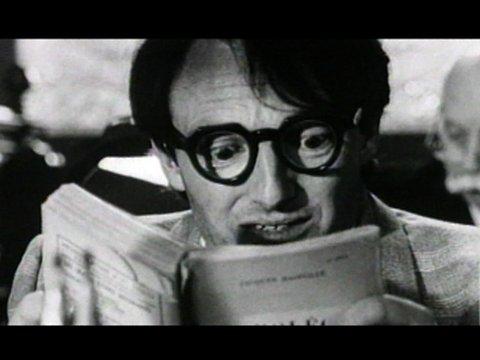
moviescout.orgThe Red Dwarf is a 1998 Belgian drama film directed by Yvan Le Moine. Based on the short story “Le nain rouge” by Michel Tournier, the film delves into the psychological depths of a lonely dwarf named Lucien.   

A Life of Isolation

Lucien, played by Jean-Yves Thual, works as a low-level employee at a divorce lawyer’s office. His physical stature, coupled with his social awkwardness, isolates him from the world. The film portrays the daily struggles of a marginalized individual who yearns for human connection.   

A Dangerous Obsession

Lucien’s life takes a dramatic turn when he meets Paola, a glamorous opera singer played by Anita Ekberg. He becomes infatuated with her, and his obsession grows increasingly obsessive. The film explores the destructive nature of unchecked desire and the consequences of crossing boundaries.   

A Dark and Disturbing Descent

As Lucien’s obsession intensifies, he becomes consumed by a sense of jealousy and paranoia. His actions become increasingly erratic and violent, leading to a tragic climax. The film’s dark and disturbing tone is amplified by its stark visual style and haunting score.

A Critical and Commercial Success

The Red Dwarf received critical acclaim for its powerful performances, haunting atmosphere, and unflinching portrayal of human nature. The film was a commercial success in Belgium and France, earning numerous awards and nominations.

A Timeless Tale of Isolation and Obsession

Despite its tragic ending, The Red Dwarf is a thought-provoking and emotionally resonant film. It explores universal themes of loneliness, desire, and the destructive power of obsession. The film’s message continues to resonate with audiences today, reminding us of the importance of empathy and understanding.

Barbie: A Christmas Carol – A Twist on a Timeless Tale

A Twist on a Timeless Tale

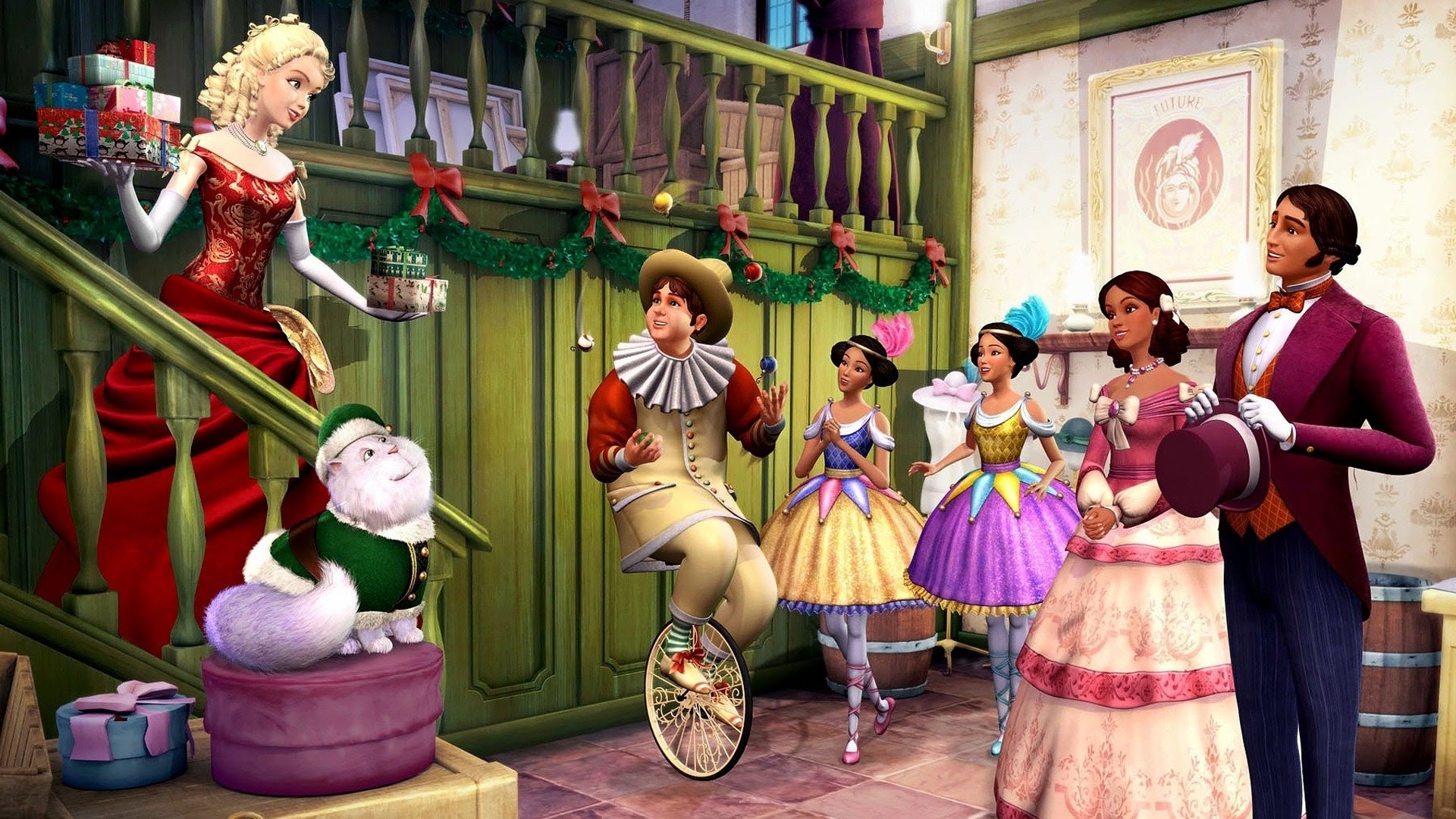
moviescout.org – Barbie: A Christmas Carol is a heartwarming animated film that puts a unique spin on the classic Charles Dickens story. Released in 2008, this movie has captivated audiences with its stunning animation, catchy music, and timeless message.

A Festive Transformation

The film follows Eden Starling, a self-centered fashion designer who is visited by three spirits on Christmas Eve. These spirits take Eden on a journey through her past, present, and future, showing her the consequences of her selfish behavior.

A Lesson in Kindness

Through this transformative experience, Eden learns the importance of kindness, empathy, and the true spirit of Christmas. The film’s message of redemption and the power of compassion resonates with viewers of all ages.

A Festive Delight

Barbie: A Christmas Carol features stunning animation, beautiful music, and a heartwarming story. The film’s characters are charming and relatable, and the setting is both magical and familiar.

A Christmas Classic

With its festive atmosphere, catchy songs, and positive message, Barbie: A Christmas Carol is a perfect film to watch during the holiday season. It’s a reminder that the true spirit of Christmas is about love, kindness, and generosity.

The Wonderful World of the Brothers Grimm (1962)

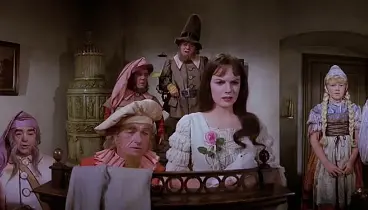
moviescout.org – “The Wonderful World of the Brothers Grimm” is a 1962 fantasy film that brings to life the enchanting stories of the legendary storytellers, Jacob and Wilhelm Grimm. Directed by Henry Levin and George Pal, this whimsical film combines biography and fantasy, weaving together the personal history of the Brothers Grimm with dramatizations of some of their most beloved fairy tales.

Plot Overview

The film is structured around two parallel narratives: the lives of the Brothers Grimm and the magical tales they collected. The main storyline follows:

  1. Jacob Grimm (played by Karlheinz Böhm): The more scholarly and serious of the two brothers, focused on their historical research.
  2. Wilhelm Grimm (played by Laurence Harvey): The more imaginative and romantic brother, enthusiastic about collecting fairy tales.

As the brothers work on a biography for a local duke, they become increasingly immersed in the world of folklore and fantasy, leading to the dramatization of three classic Grimm tales:

  • “The Dancing Princess”: A story of a princess who dances every night in a secret location, and the soldier who discovers her mystery.
  • “The Cobbler and the Elves”: A heartwarming tale about a cobbler who receives magical assistance from a group of helpful elves.
  • “The Singing Bone”: A darker story about bravery and betrayal involving a knight and a magical boar.

Setting and Cinematography

The film is notable for its use of Cinerama, a widescreen format that enhances the visual experience with panoramic shots and vivid colors. The fairy tale sequences are richly detailed, capturing the fantastical elements of each story with elaborate costumes and set designs. The film seamlessly transitions between the real and fantasy worlds, creating an immersive experience for the audience.

Themes and Style

“The Wonderful World of the Brothers Grimm” explores themes of imagination, storytelling, and the enduring power of folklore. The film celebrates the legacy of the Brothers Grimm, highlighting their contributions to literature and their impact on cultural history. Its style blends fantasy with biography, using a mix of live-action and special effects to bring the stories to life.

Music and Performances

The film features a musical score by Leigh Harline that enhances its magical atmosphere. The performances by Karlheinz Böhm and Laurence Harvey anchor the film, with both actors capturing the contrasting personalities of the Grimm brothers. The supporting cast adds depth to the fairy tale segments, bringing to life a range of fantastical characters.

Reception and Legacy

Upon its release, “The Wonderful World of the Brothers Grimm” was praised for its visual spectacle and inventive storytelling. It received several award nominations, including an Academy Award nomination for Best Costume Design. The film remains a beloved classic, cherished for its imaginative approach to the Grimm brothers’ legacy and its celebration of storytelling.

Conclusion

“The Wonderful World of the Brothers Grimm” is a captivating film that transports audiences to a world of fantasy and folklore. With its enchanting tales, stunning visuals, and heartfelt tribute to the power of storytelling, the film continues to delight viewers, preserving the magic of the Brothers Grimm for generations to come.

The Saga of Beowulf: An Epic Tale of Heroism & Monsters

moviescout.org – The Saga of Beowulf is an ancient epic poem that has captivated audiences for centuries with its tales of heroism, battles against monstrous foes, and the complexities of human nature. Originating from Anglo-Saxon England, the poem is believed to have been composed between the 8th and 11th centuries, although the only surviving manuscript dates back to the 10th century. Despite its age, the story of Beowulf remains a powerful narrative that explores themes of courage, loyalty, and the struggle between good and evil.

The Hero Beowulf

At the heart of the saga is the eponymous hero, Beowulf, a Geatish warrior of immense strength and bravery. The poem begins with Beowulf’s journey across the sea to the land of the Danes, where he offers his services to King Hrothgar. Hrothgar’s mead hall, Heorot, has been terrorized by the monster Grendel, a creature who envies the joy and fellowship of the Danes. Beowulf’s arrival sets the stage for a confrontation that will test his mettle and establish his reputation as a hero.

Battles with Monsters

Grendel

Beowulf’s first battle is with Grendel, a creature who embodies the forces of darkness and chaos. Without the use of weapons, Beowulf engages Grendel in hand-to-hand combat, ultimately tearing off the monster’s arm and forcing him to flee. This victory brings peace to Heorot, but it is short-lived.

Grendel’s Mother

In retaliation for her son’s defeat, Grendel’s mother attacks Heorot, seeking vengeance. Beowulf once again answers the call to arms, descending into the depths of a dark mere to confront the monstrous mother in her lair. The battle is fierce, and Beowulf requires the use of a magical sword to defeat her. This victory further cements his status as a hero.

The Dragon

Years later, in the latter part of the poem, an aged Beowulf faces his final challenge when a dragon is awakened by a thief who has stolen a treasure from its lair. The dragon’s rampage threatens Beowulf’s people, and the aged king decides to confront the beast, despite the counsel of his warriors. The battle is tragic, resulting in the deaths of both Beowulf and the dragon. Beowulf’s last stand is a poignant reminder of the mortality of even the greatest heroes.

Themes and Symbolism

The Saga of Beowulf is rich in themes and symbolism, exploring the concepts of fate, the heroic code, and the transition from paganism to Christianity. The poem juxtaposes the heroic deeds of Beowulf with the inevitable decline of his kingdom, reflecting the Anglo-Saxon view of the world as a place of transient glory and impending doom.

Legacy and Interpretation

The Saga of Beowulf has left a lasting legacy, influencing literature and culture throughout the ages. It has been interpreted in various ways, from a straightforward heroic narrative to a complex allegory of the Christian faith. Modern adaptations and analyses continue to uncover new layers of meaning in this ancient epic.

Conclusion

The Saga of Beowulf remains a timeless tale of heroism, courage, and the battle against darkness. Its enduring appeal lies in its universal themes and its portrayal of a hero who embodies the virtues of strength, loyalty, and self-sacrifice. As long as these values resonate with humanity, the story of Beowulf will continue to be told and celebrated.

A Timeless Tale of Adventure and Loss: The Last of the Mohicans

The Last of the Mohicans, penned by James Fenimore Cooper in 1826, is a seminal work in American literature that has captivated readers for nearly two centuries. Set against the backdrop of the French and Indian War in the late 1750s, this novel is the second installment in Cooper’s Leatherstocking Tales, which follows the adventures of the frontiersman Natty Bumppo, known to the Native Americans as Hawkeye. The story is not only a thrilling adventure but also a poignant reflection on the inevitable clash of cultures and the vanishing way of life for Native American tribes.

The narrative revolves around a group of English colonists, including the sisters Cora and Alice Munro, who are escorted through dangerous territory by Hawkeye, his Mohican companions Chingachgook and Uncas, and the loyal scout Major Heyward. Their journey is fraught with peril as they navigate the war-torn wilderness, pursued by hostile Huron warriors led by the cunning Magua, who seeks revenge against the Munro sisters and their father.

Cooper’s portrayal of the frontier is vivid and immersive, bringing to life the dense forests, rugged mountains, and turbulent rivers that serve as the setting for this epic tale. The author’s attention to detail in describing the natural environment and the survival skills of his characters is unparalleled, offering readers a glimpse into the harsh realities of life on the edge of civilization.

At the heart of The Last of the Mohicans is the theme of the inevitable decline of Native American culture. Chingachgook and Uncas, the last of the Mohican tribe, embody the nobility and tragedy of their people. Their struggle to maintain their identity and way of life in the face of European encroachment is a powerful commentary on the loss of indigenous cultures. Uncas, in particular, represents the last hope for his people, and his tragic end symbolizes the end of an era.

The novel also explores themes of honor, loyalty, and the complexities of human nature. Hawkeye, though not of Native American descent, is a bridge between the two cultures, embodying the best qualities of both. His deep respect for the Mohican way of life and his commitment to his adopted family highlight the possibility of understanding and coexistence between different peoples.

The relationship between Hawkeye and the Munro sisters adds a romantic element to the story, particularly through the developing bond between Hawkeye and Cora. This relationship is not merely a romantic subplot but serves to underscore the themes of courage, sacrifice, and the strength of character that Cooper admires in his characters.

The Last of the Mohicans has been adapted numerous times for film and television, with the 1992 film adaptation directed by Michael Mann being one of the most well-known. The film, starring Daniel Day-Lewis as Hawkeye, brings the novel’s action and emotion to the screen, capturing the essence of Cooper’s story while updating it for a modern audience.

In conclusion, The Last of the Mohicans is more than just a historical adventure novel; it is a profound exploration of the clash between cultures, the inevitability of change, and the enduring spirit of those who strive to preserve their heritage in the face of adversity. James Fenimore Cooper’s masterpiece remains a timeless work that continues to resonate with readers, reminding us of the rich tapestry of American history and the complex legacy of its indigenous peoples.