Tigers in Lipstick (1979): A Playful Italian Comedy

moviescout.org “Tigers in Lipstick” (Italian title: “Letti Selvaggi”), released in 1979, is a lively Italian comedy film directed by Luigi Zampa. Featuring an ensemble cast led by Ursula Andress and Monica Vitti, the movie offers a series of episodic stories centered around the lives and loves of different women. With its playful tone, glamorous leads, and satirical take on relationships and sexual dynamics, the film stands as a vibrant representation of Italian comedy in the late 1970s.

Plot Overview

“Tigers in Lipstick” is a multi-story film composed of several comedic vignettes, each featuring different women facing absurd or humorous situations involving love, seduction, and power. The title alludes to the idea that the women in the film, while beautiful and seemingly delicate, are as fierce and independent as “tigers.”

The stories vary in tone and plot, but each centers on the theme of how women use their wit, charm, and intelligence to navigate the challenges posed by the men in their lives. Whether it’s a woman manipulating her lover, a seductress teaching a lesson to an unsuspecting man, or a housewife reclaiming her power, the film explores the complexities of relationships with a comedic flair.

Throughout the film, the women are depicted as strong and resourceful, often outsmarting the men they encounter. The vignettes are filled with playful humor, exaggerated characters, and ironic twists, all of which highlight the film’s satirical take on gender roles and societal expectations.

Themes: Gender, Seduction, and Power Dynamics

At its core, “Tigers in Lipstick” explores themes of gender dynamics, particularly the way women in the film assert their autonomy and control within romantic and sexual relationships. The film flips traditional gender roles by presenting its female characters as the ones who drive the action, often outmaneuvering the men with their intelligence and confidence.

One of the recurring themes is seduction, but with a twist: the women in the film are the ones in control, using seduction as a tool not just for romance, but for empowerment. The film challenges conventional notions of women as passive participants in relationships, instead showcasing them as active agents who navigate love and desire on their own terms.

Another theme is the power dynamics between men and women. The film humorously portrays how societal expectations can create tensions in relationships, but it also emphasizes that women possess the ability to shape these dynamics to their advantage. In this sense, “Tigers in Lipstick” can be seen as a comedic commentary on the shifting gender roles of the time, where women were increasingly seen as independent and self-assured.

Performances: A Star-Studded Cast

Ursula Andress and Monica Vitti, two iconic actresses of Italian cinema, lead the cast and bring a charismatic energy to their roles. Both actresses are known for their screen presence and beauty, and in “Tigers in Lipstick,” they are given the opportunity to showcase their comedic talents in addition to their glamour.

Ursula Andress, famous for her roles as a sex symbol in films like “Dr. No” (1962), plays a variety of roles in the film’s different vignettes, demonstrating her versatility as an actress. She brings a playful and confident energy to her characters, making her performances both engaging and entertaining.

Monica Vitti, best known for her dramatic work in films by Michelangelo Antonioni, proves her skill as a comedic actress. Her sharp timing, expressive face, and ability to switch between vulnerability and strength make her one of the standout performers in the film. Vitti’s roles often involve her outsmarting the men around her, and she portrays this with a mix of elegance and humor.

The film’s ensemble cast also includes notable Italian actors like Johnny Dorelli, Enrico Montesano, and Orazio Orlando, who contribute to the film’s comedic tone and help create the quirky, exaggerated characters that drive the humor in each vignette.

Direction and Cinematic Style

Director Luigi Zampa, known for his work in both comedy and drama, brings a light touch to “Tigers in Lipstick.” Zampa’s direction emphasizes the playful nature of the stories, with a focus on physical comedy, witty dialogue, and the glamorous appeal of his leading actresses. His episodic structure allows for a variety of comedic scenarios, keeping the film fresh and fast-paced as it moves from one story to the next.

The cinematography and production design complement the film’s lighthearted tone, with bright colors, luxurious settings, and fashionable costumes that reflect the glamorous world in which these stories unfold. The film’s visual style reinforces the idea that, despite the comedic situations, the women are always in control and fully aware of their own power.

Reception and Legacy

Upon its release in 1979, “Tigers in Lipstick” was a commercial success in Italy, capitalizing on the star power of Ursula Andress and Monica Vitti. The film’s mix of comedy, romance, and glamour appealed to audiences looking for lighthearted entertainment, and its playful take on gender roles resonated during a time when societal attitudes towards women and relationships were shifting.

Critically, the film was praised for its performances, particularly from Andress and Vitti, who brought charm and charisma to their roles. While some critics noted that the episodic structure led to uneven storytelling, the film’s overall tone and humor were well-received.

Over the years, “Tigers in Lipstick” has maintained a place as a fun and nostalgic example of Italian comedy from the late 1970s. Its focus on strong, independent women remains relevant, and the film is often remembered for its blend of sex appeal, satire, and humor.

Conclusion

“Tigers in Lipstick” (1979) is a vibrant and entertaining Italian comedy that showcases the talents of its star-studded cast, particularly Ursula Andress and Monica Vitti. Directed by Luigi Zampa, the film’s episodic structure allows for a playful exploration of gender dynamics, seduction, and the power that women hold in relationships. With its glamorous setting, witty dialogue, and lighthearted tone, “Tigers in Lipstick” remains a charming and humorous snapshot of Italian cinema from the era.

The Devil is a Part-Timer!: A Hilarious Reverse Isekai Comedy

moviescout.org – The Devil is a Part-Timer! (Hataraku Maō-sama!) is a popular comedy anime and light novel series that offers a hilarious twist on the isekai genre. Instead of a human being transported to a fantasy world, this series features the Devil himself and his general finding themselves stranded in modern-day Tokyo and forced to work mundane jobs to survive.

Sadao Maou and Shiro Ashiya: From Demon Lord to Fast Food Employee

The story follows Sadao Maou, the Demon Lord Satan, and his loyal general, Shiro Ashiya, who are forced to flee their world of Ente Isla after being defeated by the Hero Emilia Justina. They arrive in modern-day Tokyo, where they find themselves powerless without magic and forced to adapt to human society. To make ends meet, Maou takes a part-time job at a MgRonald’s (a parody of McDonald’s) fast food restaurant, while Ashiya becomes a househusband, managing their meager finances.   

A Hilarious Clash of Worlds

The series thrives on the comedic contrast between the characters’ demonic origins and their mundane everyday lives. Watching the once-feared Demon Lord struggle with customer service, promotions, and rent payments creates a constant source of humor. The interactions between Maou, Ashiya, and the human characters they encounter are often filled with misunderstandings and hilarious situations.

The Heroine Working at a Call Center? Even More Comedy Ensues

Adding to the comedic dynamic is the presence of Emilia Justina, the Hero who defeated Maou in Ente Isla. She also finds herself transported to Tokyo and takes a job at a call center. The awkward encounters and ongoing rivalry between Maou and Emilia, now in a completely different setting, provide further comedic fuel.   

A Lighthearted and Enjoyable Comedy with Unexpected Depth

While primarily a comedy, The Devil is a Part-Timer! also touches on themes of adapting to new environments, finding purpose in life, and the complexities of good and evil. The characters, despite their fantastical origins, are surprisingly relatable, and their struggles to navigate human society resonate with viewers.

A Refreshing Take on the Isekai Genre

The Devil is a Part-Timer! offers a refreshing and entertaining take on the isekai genre by reversing the typical formula. Its lighthearted humor, charming characters, and unique premise make it a highly enjoyable watch for fans of comedy and slice-of-life anime.

Cat Ballou (1965): A Wild West Comedy with a Heart

moviescout.org – Cat Ballou (1965) is a unique Western comedy that deviates from the traditional genre tropes. It offers a satirical take on the Wild West, with a strong focus on humor and character-driven storytelling.

Fonda’s Unconventional Heroine

Jane Fonda stars as the titular character, Cat Ballou, a timid schoolteacher who is forced to take up arms to defend her family’s ranch. Fonda’s performance is both comedic and heartfelt, as she transforms from a meek and mild-mannered woman into a fearless gunslinger.

A Star-Studded Cast

The film boasts an impressive cast, including Lee Marvin, who delivers a dual performance as the drunken gunslinger Kid Shelleen and his sober, more serious brother, Tim Strawn. Marvin’s iconic performance earned him an Academy Award for Best Supporting Actor.

A Blend of Comedy and Drama

Cat Ballou expertly blends comedy and drama. The film’s humor comes from its witty dialogue, absurd situations, and the characters’ eccentric personalities. However, it also delves into serious themes such as violence, loss, and the consequences of revenge.

A Timeless Tale of Justice and Redemption

Despite its comedic elements, Cat Ballou is ultimately a story about justice and redemption. Cat Ballou’s journey from a timid schoolteacher to a skilled gunslinger is a testament to the power of human spirit and the importance of standing up for what is right.

A Cult Classic

Over the years, Cat Ballou has become a cult classic, beloved by audiences for its unique blend of humor, action, and heart. Its memorable characters, witty dialogue, and iconic score have solidified its place in the pantheon of Western films.

A Must-Watch for Fonda Fans

For fans of Jane Fonda, Cat Ballou is a must-watch. It showcases her comedic talent and her ability to play a wide range of roles. The film’s enduring popularity is a testament to its timeless appeal.

Conclusion

Cat Ballou is a unique and refreshing take on the Western genre. Its humor, heart, and memorable characters make it a timeless classic. Jane Fonda’s performance as Cat Ballou is a highlight, and her chemistry with Lee Marvin is electric. Whether you’re a fan of Westerns, comedies, or simply great filmmaking, Cat Ballou is a film that will entertain and delight.

“The Swinger” (1966): A Satirical Comedy of the Swinging Sixties

moviescout.org – “The Swinger” is a 1966 American comedy film that captures the spirit and satire of the swinging sixties. Directed by George Sidney, the film features an engaging mix of humor, romance, and social commentary, set against the backdrop of the era’s evolving cultural norms. Starring Ann-Margret and Anthony Franciosa, “The Swinger” offers a playful critique of the burgeoning sexual revolution and the media’s portrayal of it.

Plot Overview

The story follows Kelly Olsson, a young and ambitious writer played by Ann-Margret, who seeks to break into the world of men’s magazines with her steamy stories. Frustrated by the lack of interest in her work, Kelly decides to pose as a “swinger” to gain the attention of the editor of “Girl-lure,” a risqué men’s magazine. Anthony Franciosa stars as Ric Colby, the magazine’s editor, who becomes both Kelly’s target and romantic interest.

As Kelly attempts to convince Ric of her wild lifestyle, comedic situations ensue, leading to a series of misunderstandings and humorous escapades. The film cleverly explores the theme of authenticity versus pretense as Kelly navigates the swinging scene while trying to maintain her own identity.

Notable Cast and Characters

Ann-Margret shines as Kelly Olsson, bringing charm and wit to the role of a woman determined to succeed on her own terms. Her performance captures the conflict between societal expectations and personal aspirations. Anthony Franciosa complements her with his portrayal of Ric Colby, a character who embodies both the allure and absurdity of the swinging sixties.

The supporting cast includes Robert Coote as Sir Hubert Charles and Yvonne Romain as Karen Charles, adding depth and humor to the unfolding narrative.

Cinematic Style and Themes

“The Swinger” is characterized by its vibrant and colorful visual style, reflecting the pop culture of the 1960s. The film’s direction by George Sidney employs playful and exaggerated scenes that emphasize the comedic elements of the story. The swinging soundtrack and stylish costumes further enhance the film’s lively atmosphere.

Thematically, “The Swinger” satirizes the sexual liberation movement and the media’s sensationalism, highlighting the gap between reality and perception. It offers a humorous critique of the lengths to which individuals might go to achieve success and recognition.

Impact and Legacy

Although “The Swinger” did not achieve major critical acclaim upon its release, it has since gained a cult following for its depiction of 1960s culture and its satirical take on the era’s social dynamics. The film remains a nostalgic look back at a transformative period in American history and serves as a reminder of the ongoing conversation about authenticity and identity.

Conclusion

“The Swinger” (1966) captures the essence of the swinging sixties with humor and style. Through its engaging performances and clever satire, the film offers a lighthearted yet insightful exploration of ambition, identity, and the cultural shifts of its time. Today, it stands as a playful relic of an era that continues to fascinate and entertain audiences.

Kung Fu Hustle (2004): A Hilarious Martial Arts Comedy

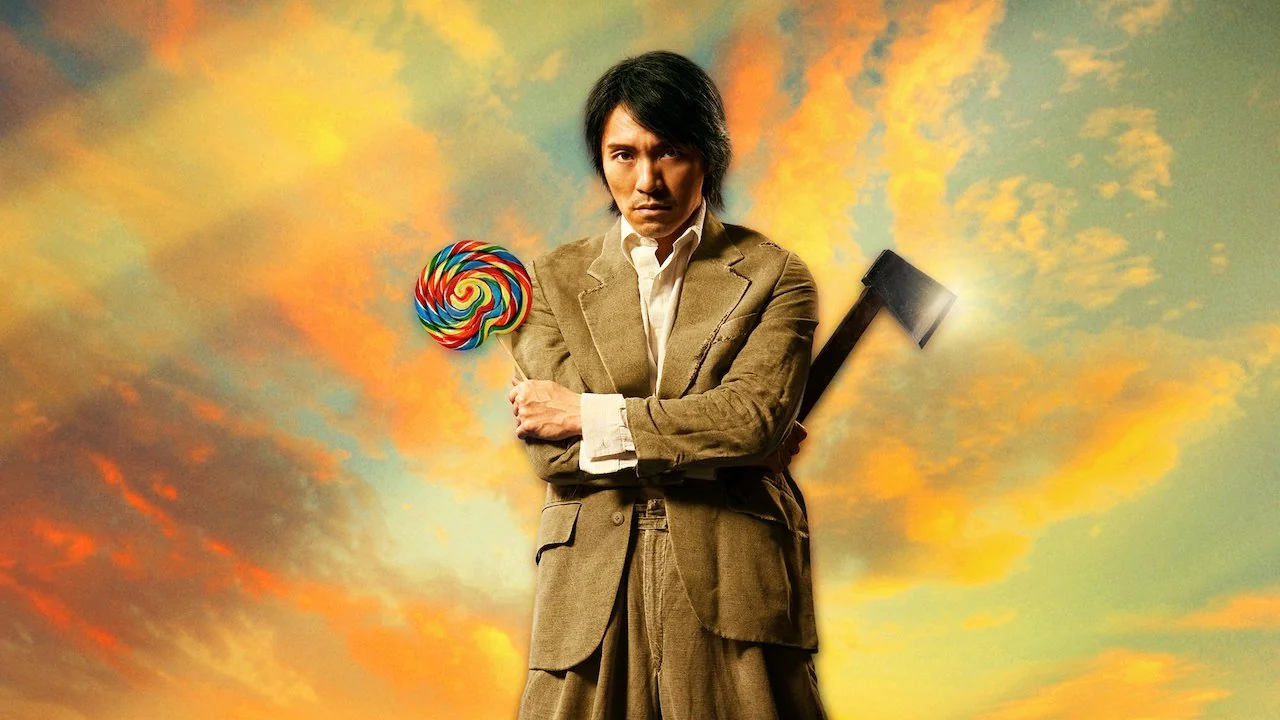
moviescout.org – “Kung Fu Hustle” (2004) is a martial arts comedy film directed by and starring Stephen Chow. Known for its blend of slapstick humor, action-packed sequences, and homage to classic kung fu films, it became a worldwide hit and established itself as a unique entry in the genre.

Plot Overview

Set in 1940s Shanghai, the film follows the story of Sing (Stephen Chow), a small-time crook who aspires to join the notorious Axe Gang. When Sing and his partner attempt to extort money from the residents of Pig Sty Alley, they inadvertently unleash a series of events involving hidden kung fu masters, leading to a showdown with the Axe Gang.

Themes and Humor

“Kung Fu Hustle” explores themes of redemption, heroism, and the power of community. The film is known for its comedic elements, drawing on influences from both Western and Chinese cinema. It combines over-the-top action sequences with visual gags and clever dialogue, creating a comedic experience that appeals to a broad audience.

Visual Style and Choreography

The film features impressive martial arts choreography by Yuen Woo-ping, renowned for his work in films like “The Matrix” and “Crouching Tiger, Hidden Dragon.” The action scenes are exaggerated and cartoonish, reminiscent of classic Looney Tunes cartoons, yet they maintain the elegance and intensity of traditional kung fu films. The vibrant set design and special effects contribute to the film’s whimsical and surreal atmosphere.

Impact and Reception

“Kung Fu Hustle” was both a critical and commercial success, grossing over $100 million worldwide. It was praised for its originality, humor, and inventive action sequences. The film received numerous awards and nominations, including a Golden Globe nomination for Best Foreign Language Film, further cementing Stephen Chow’s reputation as a filmmaker.

Conclusion

“Kung Fu Hustle” remains a beloved film for its unique blend of comedy and martial arts, offering a fresh take on the genre. Its entertaining storyline, memorable characters, and creative action sequences have left a lasting impact on audiences, ensuring its place as a classic in martial arts cinema.

Rick and Morty: Comedy Show – Science Fiction and Chaos

moviescout.org – Rick and Morty is an American adult animated science fiction sitcom created by Justin Roiland and Dan Harmon for Cartoon Network’s nighttime programming block Adult Swim. The show has become a cultural phenomenon, known for its dark humor, complex storytelling, and exploration of philosophical and existential themes.

The Premise

The series follows the adventures of Rick Sanchez, a brilliant but insane scientist, and his timid grandson Morty Smith. Together, they embark on outlandish journeys across the universe, encountering various alien species, alternate dimensions, and other bizarre phenomena. The show’s premise is a parody of the classic film “Back to the Future,” with Rick taking on the role of the eccentric inventor Doc Brown, and Morty as the reluctant sidekick.

Characters and Themes

Rick Sanchez

Rick Sanchez is the central character, a genius with a penchant for alcohol and a disregard for social norms. His character is a blend of brilliance and madness, often leading to chaotic and unpredictable situations. Rick’s relationship with his family, particularly his daughter Beth and grandson Morty, is a recurring theme in the show, showcasing the complexities of family dynamics.

Morty Smith

Morty Smith, Rick’s grandson, is the more relatable character. He is often dragged into Rick’s schemes, struggling to cope with the surreal and often terrifying experiences. Morty’s character development throughout the series highlights the impact of Rick’s influence on his life and the broader implications of their adventures.

Themes

Despite its comedic elements, Rick and Morty delves into deep philosophical and existential themes. The show frequently explores concepts such as free will, determinism, and the meaning of life. It also touches on the nature of reality, the existence of multiple universes, and the implications of advanced technology on society.

Popularity and Impact

Rick and Morty has garnered a massive following since its debut in 2013. The show has won multiple Emmy Awards and has been praised for its writing, animation, and voice acting. It has also made a significant impact on popular culture, with references and memes from the show appearing frequently in various media.

Controversies and Challenges

The show has not been without its controversies. In 2023, co-creator Justin Roiland was accused of sexual assault and domestic violence, leading to his departure from the show. Despite this, the series continued with Dan Harmon as the sole showrunner, maintaining its high standards and fan base.

Conclusion

Rick and Morty stands out as a unique and groundbreaking comedy show that combines science fiction with dark humor and philosophical depth. Its characters, themes, and impact on popular culture make it a must-watch for fans of animated series and science fiction alike.