The Mosquito: A Tiny Creature with a Big Impact

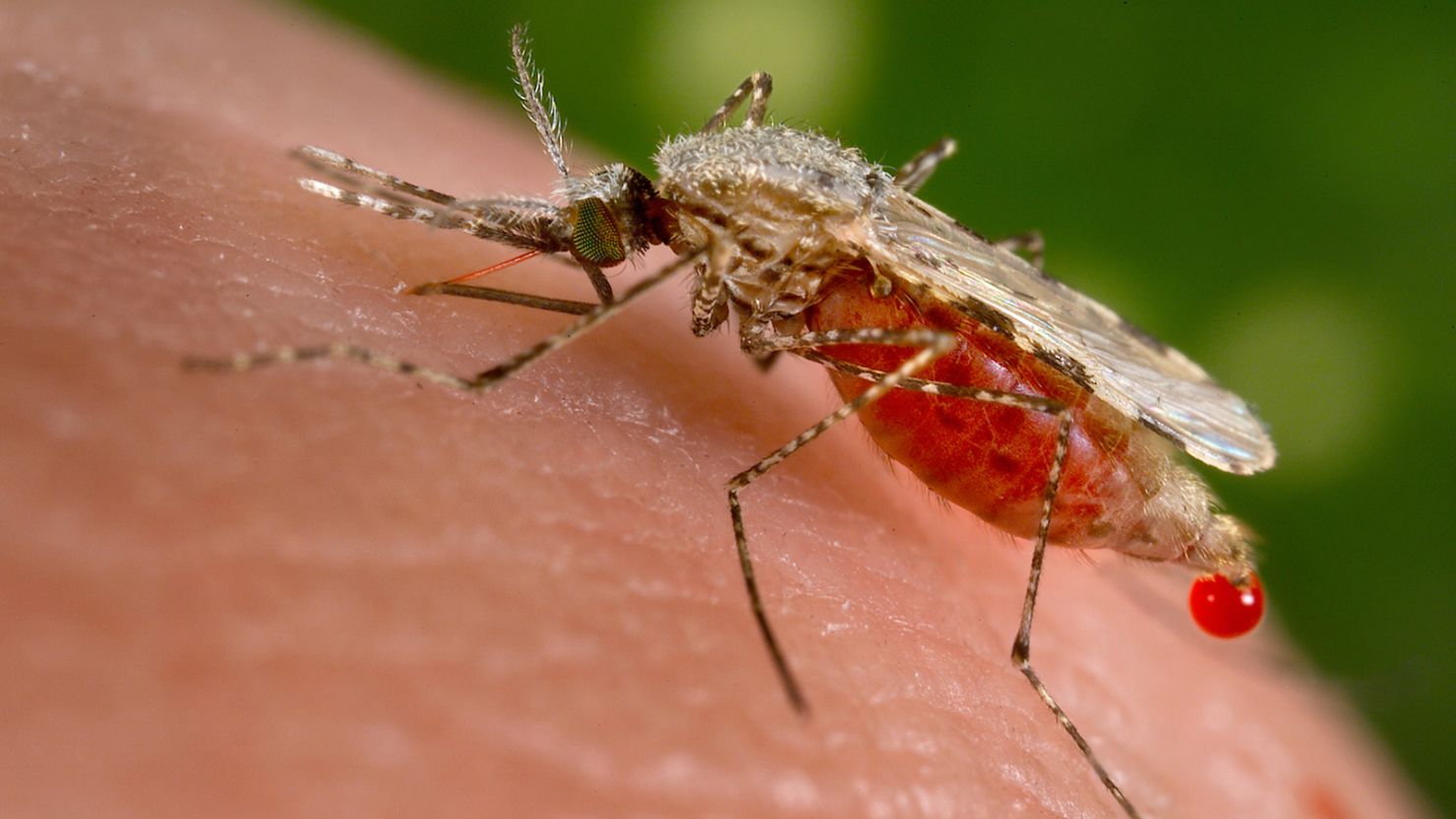
moviescout.org – Mosquitoes, belonging to the family Culicidae within the order Diptera (true flies), are among the most notorious insects on Earth. While their buzzing and biting are often considered mere annoyances, mosquitoes are significant vectors of numerous diseases, impacting human health worldwide. This article delves into the complex world of mosquitoes, exploring their biology, life cycle, disease transmission, ecological roles, and control strategies.   

Physical Characteristics: Adapted for Blood-Feeding

Mosquitoes possess several key features adapted for their blood-feeding lifestyle:

  • Proboscis: The most distinctive feature is the elongated proboscis, used for piercing the skin of hosts and sucking blood. In females, the proboscis contains six needle-like stylets used for piercing and accessing blood vessels.   
  • Antennae: Mosquitoes have feathery antennae, especially in males, which are used to detect the vibrations of female wingbeats.   
  • Wings: Like other flies, mosquitoes have one pair of functional wings and halteres for balance.   
  • Slender Body and Long Legs: Their slender body and long legs contribute to their agility in flight.   

Life Cycle: From Egg to Adult

Mosquitoes undergo complete metamorphosis, with four distinct life stages:   

  • Egg: Mosquito eggs are laid in water or moist environments. Different species have different egg-laying strategies; some lay eggs individually on the water surface, while others lay them in rafts.   
  • Larva (Wiggler): The aquatic larvae, known as wigglers, breathe through a siphon tube that extends to the water’s surface. They feed on organic matter and molt several times as they grow.   
  • Pupa (Tumbler): The pupa, or tumbler, is also aquatic and comma-shaped. It does not feed but is still mobile.   
  • Adult: The adult mosquito emerges from the pupal case at the water’s surface, ready to fly and reproduce.   

Diversity and Classification: A Global Presence

There are over 3,500 species of mosquitoes classified into various genera, with the most medically important being Anopheles, Culex, and Aedes:   

  • Anopheles: Vectors of malaria.   
  • Culex: Vectors of West Nile virus, Japanese encephalitis, and lymphatic filariasis.   
  • Aedes: Vectors of dengue fever, Zika virus, chikungunya, and yellow fever.   

Habitat and Distribution: Dependent on Water

Mosquitoes require water for their larval development, so they are found in a wide range of aquatic and semi-aquatic habitats, including:

  • Stagnant water pools
  • Ponds and marshes
  • Containers holding water (e.g., tires, flower pots)   
  • Tree holes

They are distributed globally, except for extremely cold regions.

Feeding and Diet: Blood Meals for Reproduction

Only female mosquitoes bite and feed on blood. They require blood meals for egg production. Male mosquitoes feed on nectar and plant juices.   

Disease Transmission: A Major Public Health Concern

Mosquitoes are vectors of numerous diseases, transmitting pathogens between hosts:   

  • Malaria: Caused by Plasmodium parasites, transmitted by Anopheles mosquitoes.   
  • Dengue Fever: Caused by dengue viruses, transmitted by Aedes mosquitoes.   
  • Zika Virus: Caused by Zika virus, transmitted by Aedes mosquitoes.   
  • Chikungunya: Caused by chikungunya virus, transmitted by Aedes mosquitoes.   
  • Yellow Fever: Caused by yellow fever virus, transmitted by Aedes mosquitoes.   
  • West Nile Virus: Caused by West Nile virus, transmitted by Culex mosquitoes.   
  • Lymphatic Filariasis: Caused by parasitic worms, transmitted by various mosquito species.   

Mosquito Behavior: Host-Seeking and Biting

Mosquitoes use various cues to locate hosts:

  • Carbon Dioxide: They are attracted to the carbon dioxide exhaled by humans and animals.   
  • Body Heat: They can detect body heat.
  • Body Odor: They are attracted to certain body odors.   

Ecological Roles: Food Source and Part of Food Web

Mosquitoes, especially their aquatic larvae, play roles in ecosystems:

  • Food Source: Mosquito larvae are a food source for fish, amphibians, and other aquatic organisms.
  • Pollination: Some mosquito species may contribute to pollination.   

Mosquito Control: Integrated Strategies

Controlling mosquito populations is crucial for preventing disease transmission. Integrated strategies include:

  • Larvicides: Applying insecticides to water bodies to kill mosquito larvae.   
  • Adulticides: Using insecticides to kill adult mosquitoes (e.g., fogging).  
  • Environmental Management: Eliminating breeding sites by removing standing water.   
  • Personal Protection: Using mosquito repellents, wearing long sleeves and pants, and using mosquito nets.   
  • Biological Control: Using natural predators of mosquitoes (e.g., certain fish and bacteria).   

Conclusion: A Complex Relationship

Mosquitoes are a significant public health concern due to their role in disease transmission. Understanding their biology, behavior, and ecology is essential for developing effective control strategies and mitigating their impact on human health. While often viewed as pests, they also play a role in ecosystems. A comprehensive and integrated approach is necessary to manage mosquito populations and protect public health.
Fire on the Mountain: Wildfires and Their Impact

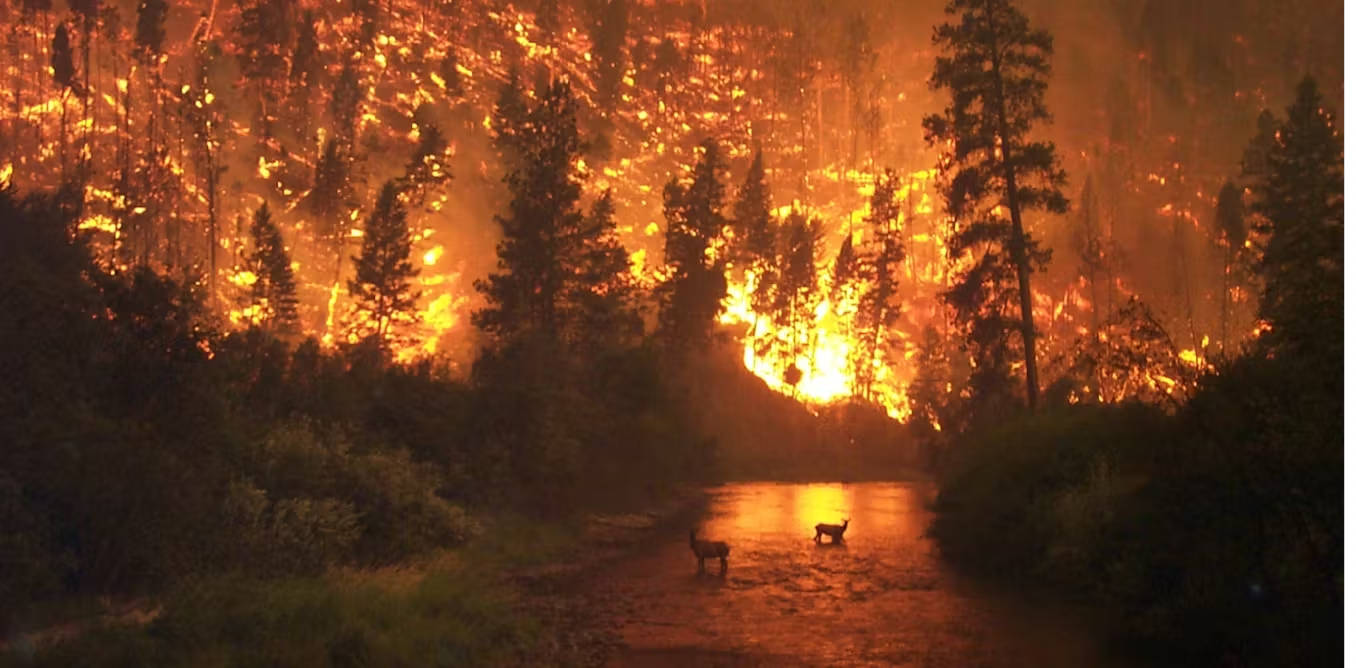
moviescout.org – Wildfires are a natural phenomenon that has been occurring for millions of years. However, in recent decades, the frequency and intensity of wildfires have increased significantly, posing a serious threat to ecosystems, human life, and property. This article explores the causes of wildfires, their immediate and long-term impacts, and the strategies employed to mitigate their effects.

Causes of Wildfires

Wildfires can be ignited by natural causes, such as lightning strikes, but human activities are responsible for the majority of them. Activities like unattended campfires, discarded cigarettes, and arson can easily spark a wildfire. Additionally, climate change has exacerbated conditions conducive to wildfires, such as prolonged droughts, higher temperatures, and stronger winds.

Immediate Impacts

The immediate impacts of wildfires are often devastating. They can destroy homes, infrastructure, and vast areas of forest in a short amount of time. The loss of vegetation leaves the land vulnerable to erosion and can lead to mudslides during subsequent rainfalls. Wildfires also pose a direct threat to human life, as people can become trapped by the fast-moving flames.

Environmental Consequences

Wildfires have a profound impact on ecosystems. They can cause the extinction of plant and animal species and alter habitats. The smoke from wildfires contributes to air pollution, releasing carbon dioxide and other harmful particles into the atmosphere. This not only affects local air quality but also contributes to global climate change.

Economic and Social Impact

The economic cost of wildfires is enormous. They can result in billions of dollars in damages to property and infrastructure. The cost of firefighting efforts and the economic impact on industries such as tourism and agriculture can be significant. Socially, communities affected by wildfires can experience displacement, loss of livelihood, and long-term mental health issues.

Mitigation and Adaptation Strategies

Efforts to mitigate the impact of wildfires include improved land management practices, such as controlled burns and creating firebreaks. Advances in technology have led to better detection and monitoring of wildfires, allowing for quicker response times. Public education campaigns aim to reduce human-caused wildfires by promoting fire safety and awareness.

Conclusion

Wildfires are a complex natural disaster with far-reaching impacts on the environment, economy, and society. As climate change continues to influence weather patterns, the threat of wildfires is likely to increase. It is crucial to adopt effective strategies to mitigate their impacts and adapt to this changing reality. Collaborative efforts between governments, communities, and individuals are essential in addressing the challenges posed by wildfires and ensuring a safer future for all.

The Impact of Drought on Burkina Faso’s Agriculture

moviescout.org – Burkina Faso, a landlocked country in West Africa, is highly vulnerable to the effects of drought due to its reliance on rain-fed agriculture. Drought conditions, which have become more frequent and severe due to climate change, significantly impact the agricultural sector, the backbone of the country’s economy. This article explores the multifaceted impact of drought on Burkina Faso’s agriculture and the efforts being made to mitigate these effects.

The Prevalence of Drought in Burkina Faso

Burkina Faso experiences a tropical climate with distinct dry and rainy seasons. The country’s northern regions are particularly susceptible to drought, as they are part of the Sahel, a transition zone between the Sahara Desert and the Sudanian Savanna. The impact of drought is not limited to these areas, however, as even the more fertile central and southern regions can suffer from periods of below-average rainfall.

Causes of Drought

Drought in Burkina Faso is primarily caused by a combination of natural climate variability and human-induced climate change. The increasing frequency and severity of droughts are attributed to global warming, which alters weather patterns and increases the likelihood of extreme weather events.

The Impact of Drought on Agriculture

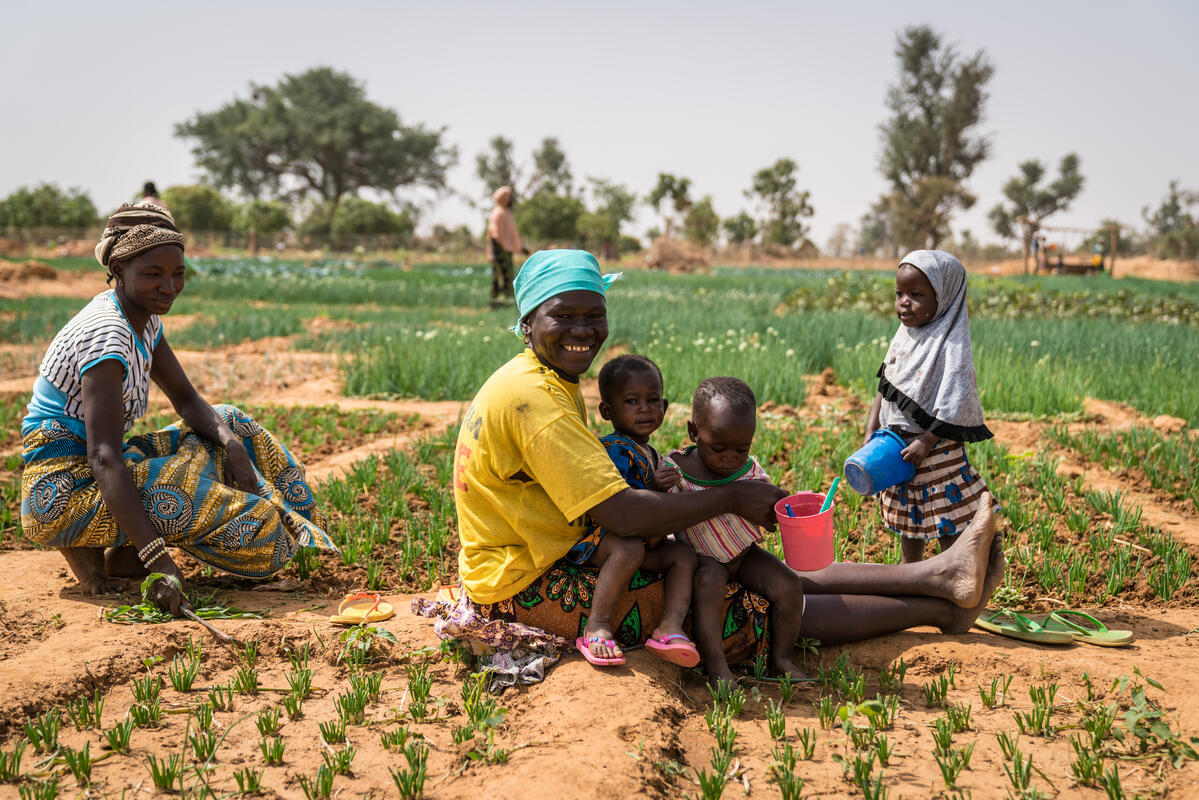
Agriculture in Burkina Faso is predominantly rain-fed, making it highly susceptible to drought conditions. The impact of drought on agriculture is profound and multifaceted, affecting crop production, livestock, and the livelihoods of farmers.

Reduced Crop Yields

Drought leads to reduced soil moisture, which negatively affects crop growth and development. Staple crops such as millet, sorghum, and maize, which are crucial for food security, are particularly vulnerable. This reduction in crop yields not only threatens the food supply but also impacts the income of farmers who rely on the sale of surplus crops.

Livestock Losses

Livestock, another vital component of Burkina Faso’s agricultural sector, suffers during drought periods. The scarcity of water and pasture leads to reduced animal productivity, increased mortality rates, and a decline in the quality of milk and meat. This not only affects the nutritional status of the population but also undermines the livelihoods of pastoralists who depend on livestock for their income.

Economic and Social Consequences

The economic impact of drought on agriculture extends beyond reduced crop yields and livestock losses. It leads to increased food prices, food insecurity, and poverty. The social fabric is also affected, as drought can lead to conflicts over dwindling resources and can force people to migrate in search of food and work.

Mitigating the Impact of Drought

To address the impact of drought on agriculture, Burkina Faso, along with international partners, is implementing various strategies to build resilience and adapt to changing climate conditions.

Improved Agricultural Practices

The promotion of drought-resistant crop varieties, water-efficient irrigation systems, and conservation agriculture techniques can help farmers cope with reduced rainfall. These practices aim to improve soil health, enhance water retention, and increase crop yields even in dry conditions.

Water Resource Management

Effective water resource management, including the construction of small-scale water storage facilities and the rehabilitation of traditional water harvesting systems, can help mitigate the effects of drought. These measures ensure that water is available for both crop irrigation and livestock during dry periods.

Support for Pastoralists

Pastoralists are supported through the establishment of grazing reserves and the provision of veterinary services to protect livestock health. These initiatives help maintain livestock productivity and support the livelihoods of pastoral communities.

Conclusion

Drought poses a significant threat to Burkina Faso’s agriculture, with far-reaching economic and social consequences. However, through the adoption of resilient agricultural practices, effective water resource management, and targeted support for pastoralists, it is possible to mitigate the impact of drought. These efforts are crucial for ensuring food security, reducing poverty, and promoting sustainable agricultural development in Burkina Faso.

The Impact of Continuations on Program Optimization

moviescout.org – Continuations have been a significant aspect of programming language design, influencing both the expressiveness and the optimization capabilities of modern programming languages. This article explores the impact of continuations on program optimization, highlighting their role in enhancing performance and efficiency in various programming paradigms.

Understanding Continuations

In computer science, a continuation is an abstract representation of the control state of a computer program. It allows the program to save its execution state and later resume from that point, providing a powerful mechanism for control flow manipulation. This concept has been particularly influential in functional programming languages, where continuations are used to implement complex control structures and optimize program execution.

Optimization Techniques Involving Continuations

Tail-Call Optimization

One of the most significant impacts of continuations on program optimization is the ability to perform tail-call optimization. This technique allows recursive functions to be optimized into iterative loops, which can significantly reduce the stack usage and improve performance. This optimization is crucial in functional programming languages, where recursion is a fundamental construct.

Compilation with Continuations

Continuations have also been used in the compilation process to optimize program execution. By representing the control flow of a program explicitly, compilers can apply various optimizations such as branch folding and boolean idiom optimization, which can lead to more efficient machine code. This approach is particularly useful in languages that support first-class continuations, as it allows for more flexible and effective optimization strategies.

Asynchronous Operations

In event-driven and asynchronous programming, continuations provide a natural way to handle callbacks and promises. This can lead to more efficient handling of asynchronous operations, as the program can resume execution from the point where the asynchronous operation completes, rather than having to manage complex state transitions manually. This optimization is crucial in modern web applications and distributed systems, where asynchronous operations are common.

Challenges and Considerations

While continuations offer powerful optimization techniques, they also come with their own set of challenges. The complexity of continuations can make them difficult to understand and use, which can lead to less maintainable code. Additionally, the performance benefits of continuations can sometimes be offset by the overhead of managing continuations themselves.

Conclusion

Continuations have had a profound impact on program optimization, providing powerful tools for enhancing performance and efficiency in various programming paradigms. By allowing for explicit control flow manipulation and enabling optimizations such as tail-call optimization and asynchronous handling, continuations have become an essential part of modern programming language design. As programming languages continue to evolve, the role of continuations is likely to remain significant, providing developers with powerful tools to write efficient and performant code.

The Enduring Impact of 9/11 on Global Security

moviescout.org – The September 11, 2001, terrorist attacks on the United States, commonly referred to as 9/11, marked a turning point in global security. The unprecedented nature of the attacks, which resulted in the deaths of nearly 3,000 people, fundamentally altered the way nations perceive and respond to threats. This article explores the profound and lasting impact of 9/11 on global security policies, practices, and perceptions.

The Shift in Security Paradigm

Prior to 9/11, the focus of global security was largely on state-based threats and conventional military conflicts. However, the attacks revealed the vulnerability of even the most powerful nations to non-state actors employing unconventional tactics. This led to a significant shift in security paradigms, with an increased emphasis on counterterrorism, intelligence sharing, and the prevention of terrorist financing.

Enhanced Border Security and Surveillance

In the wake of 9/11, countries around the world tightened border controls and expanded surveillance programs to prevent the entry and movement of terrorists. The United States, in particular, implemented the USA PATRIOT Act, which broadened the powers of law enforcement agencies to monitor communications and financial transactions. Similarly, the European Union strengthened its border security through the Schengen Information System and other measures.

The Rise of International Cooperation

The global nature of the threat posed by terrorism underscored the need for international cooperation in security matters. The establishment of the Global Counterterrorism Forum and other multilateral initiatives highlighted a concerted effort to share intelligence, harmonize legal frameworks, and coordinate counterterrorism strategies across borders.

The War on Terror and Its Consequences

The 9/11 attacks prompted the United States to launch the War on Terror, leading to military interventions in Afghanistan and Iraq. These conflicts had far-reaching implications for global security, including the destabilization of regions, the rise of extremist groups like ISIS, and the displacement of millions of people. The long-term consequences of these wars continue to shape the security landscape.

Cybersecurity as a Priority

Recognizing that the digital realm is a new frontier for terrorism and espionage, governments have elevated cybersecurity to a top priority. The proliferation of cyber threats, including hacking, data breaches, and the use of social media for radicalization, has necessitated the development of robust cyber defenses and the establishment of cyber command units within military structures.

The Evolution of Travel and Aviation Security

The aviation industry was directly targeted on 9/11, leading to a complete overhaul of airport security protocols worldwide. The creation of the Transportation Security Administration (TSA) in the U.S. and similar agencies in other countries introduced stringent passenger screening, baggage checks, and the deployment of advanced detection technologies. These measures have become the new normal for air travel, impacting the experience of passengers and the operations of airlines.

Conclusion

The impact of 9/11 on global security is profound and enduring. It has led to a reevaluation of threats, the strengthening of international alliances, and the implementation of new security measures. While these changes have enhanced protection against terrorism, they have also raised concerns about civil liberties, privacy, and the militarization of domestic security. As the world continues to grapple with the legacy of 9/11, the challenge remains to balance security imperatives with the preservation of democratic values and human rights.