Chipmunk Food: The Diet of These Small Foragers

moviescout.org – Chipmunks are small, energetic rodents known for their cheek pouches and burrowing habits. They live in a variety of habitats, including forests, gardens, and suburban areas. Their diet is diverse, consisting of plant matter, seeds, fruits, and even small animals. Whether observed in the wild or kept as pets, understanding what chipmunks eat is essential for their health and well-being. This article will explore the typical foods chipmunks eat, how they store their food, and their feeding behavior.

1. Chipmunk Diet Overview: Omnivorous Foragers

Chipmunks are omnivores, meaning they eat both plant-based foods and animal matter. Their diet varies with the seasons and availability of food. In the wild, they consume a wide range of foods to meet their nutritional needs, including carbohydrates, proteins, and fats.

Common Foods in a Chipmunk’s Diet:

  • Seeds and nuts: A primary food source for chipmunks.
  • Fruits and berries: Consumed when available during the warmer months.
  • Vegetables: Chipmunks eat various plants, roots, and tubers.
  • Insects and small animals: Occasionally, they will eat insects and small invertebrates.
  • Mushrooms and fungi: A less common but still important food source.

Chipmunks are opportunistic feeders, which means they take advantage of whatever food is available in their environment.

2. Seeds and Nuts: The Staple of a Chipmunk’s Diet

Seeds and nuts make up a large portion of a chipmunk’s diet, especially in the autumn when they prepare for winter by hoarding food. Chipmunks have specialized cheek pouches that allow them to carry large amounts of seeds and nuts back to their burrows for storage.

Favorite Seeds and Nuts:

  • Sunflower seeds: A popular food for chipmunks, especially near bird feeders.
  • Acorns: Common in wooded areas, chipmunks store acorns for winter.
  • Hickory nuts: A high-energy food that chipmunks gather in the fall.
  • Pine seeds: Chipmunks may strip pinecones to get at the seeds inside.

Chipmunks are known for their food storage behavior, hoarding seeds and nuts in their burrows to last through winter months when food is scarce.

3. Fruits and Berries: A Seasonal Treat

Fruits and berries are a favorite food for chipmunks, particularly in the summer and fall when these foods are abundant. These foods provide essential vitamins, sugars, and hydration.

Common Fruits and Berries:

  • Apples: Chipmunks will eat pieces of apples, both in the wild and in captivity.
  • Blueberries: A sweet treat often found in forests and meadows.
  • Strawberries: In garden settings, chipmunks may nibble on strawberries.
  • Raspberries and blackberries: Chipmunks forage for these in the wild, especially in late summer.

These high-sugar, high-water-content foods are a seasonal part of a chipmunk’s diet, helping them build energy reserves during the active months.

4. Vegetables and Plant Matter: A Diverse Source of Nutrients

Chipmunks consume a variety of plant-based foods, including vegetables, roots, and other plant matter. They forage for leaves, stems, and even flowers, depending on the season.

Common Vegetables and Plants Eaten by Chipmunks:

  • Carrots: In gardens, chipmunks may dig up and nibble on root vegetables like carrots.
  • Green beans: Chipmunks may feed on young beans and shoots in vegetable gardens.
  • Corn: If grown nearby, chipmunks will raid corn plants for the kernels.
  • Leafy greens: Chipmunks eat the leaves of certain plants, especially those found in gardens.

In addition to vegetable crops, chipmunks will eat wild herbs, grasses, and other vegetation to supplement their diet.

5. Insects and Small Animals: Occasional Protein Sources

Although primarily herbivores, chipmunks do consume animal protein when it’s available. They are opportunistic eaters and will sometimes eat insects, small birds, or even bird eggs.

Common Animal Foods:

  • Grasshoppers and crickets: Chipmunks will eat these insects when found.
  • Caterpillars: These are sometimes consumed as a source of protein.
  • Small frogs: Chipmunks may occasionally eat small amphibians or other tiny animals.
  • Bird eggs: They are known to raid bird nests for eggs.

While animal matter doesn’t make up the bulk of their diet, it provides an important source of protein and fat during certain seasons.

6. Mushrooms and Fungi: A Natural Part of the Chipmunk Diet

In the wild, chipmunks sometimes eat mushrooms and other fungi. These foods are especially important in forested areas where mushrooms are plentiful.

Common Fungi Eaten by Chipmunks:

  • Wild mushrooms: Chipmunks forage for various types of edible mushrooms.
  • Truffles: Although less common, some chipmunks may dig up truffles or other underground fungi.

Mushrooms provide essential nutrients, including vitamins and minerals, that help support a chipmunk’s overall health.

7. Feeding Behavior: Gathering and Hoarding

Chipmunks are well-known for their food-hoarding behavior. They collect large amounts of food, especially seeds and nuts, and store them in their burrows to ensure they have enough to last through the winter months.

How Chipmunks Store Food:

  • Cheek pouches: Chipmunks use their expandable cheek pouches to transport food to their burrows.
  • Food caches: Inside their burrows, chipmunks create food storage chambers where they hide their hoarded supplies.

This behavior is crucial for their survival, as it ensures they have food during the colder months when fresh food is less available.

8. Feeding Chipmunks in Captivity

If you’re caring for a pet chipmunk, it’s important to provide a balanced diet that mimics their natural food sources. Chipmunks require a variety of seeds, fruits, vegetables, and occasional protein to stay healthy.

Ideal Foods for Captive Chipmunks:

  • Sunflower seeds: A favorite snack, but should be given in moderation.
  • Fresh fruits: Apples, berries, and bananas are good choices.
  • Vegetables: Offer carrots, leafy greens, and other fresh veggies.
  • Nuts: Almonds, hazelnuts, and peanuts (unsalted) are great treats.
  • Insects: Occasionally, you can provide mealworms or crickets for added protein.

Provide fresh water at all times and avoid feeding them processed or sugary human foods.

9. Conclusion

Chipmunks are omnivorous foragers with a diverse diet that includes seeds, nuts, fruits, vegetables, and occasional animal matter. Their diet changes with the seasons, and they are known for hoarding food to survive through winter. Whether in the wild or captivity, chipmunks require a balanced diet that offers a variety of nutrients to keep them healthy and active. By understanding their dietary needs, you can ensure that these small rodents thrive in their environment.
The Art of the Crêpe and Beyond: French Street Food

moviescout.org – France, with its rich culinary traditions, is renowned for its haute cuisine, but the country’s street food scene is equally deserving of recognition. French street food is a testament to the nation’s love for good food, offering a range of delicious and convenient options for those on the go. Among the most iconic of these is the crêpe, a versatile and beloved street snack that embodies the art of French street food.

The History of French Street Food

French street food has its origins in the medieval period, when vendors sold food to workers and travelers in the streets. Over the centuries, this tradition evolved, with each region developing its own specialties. Today, street food in France is a vibrant part of the culinary landscape, reflecting the country’s diverse regional cuisines and its innovative approach to food.

The Art of the Crêpe

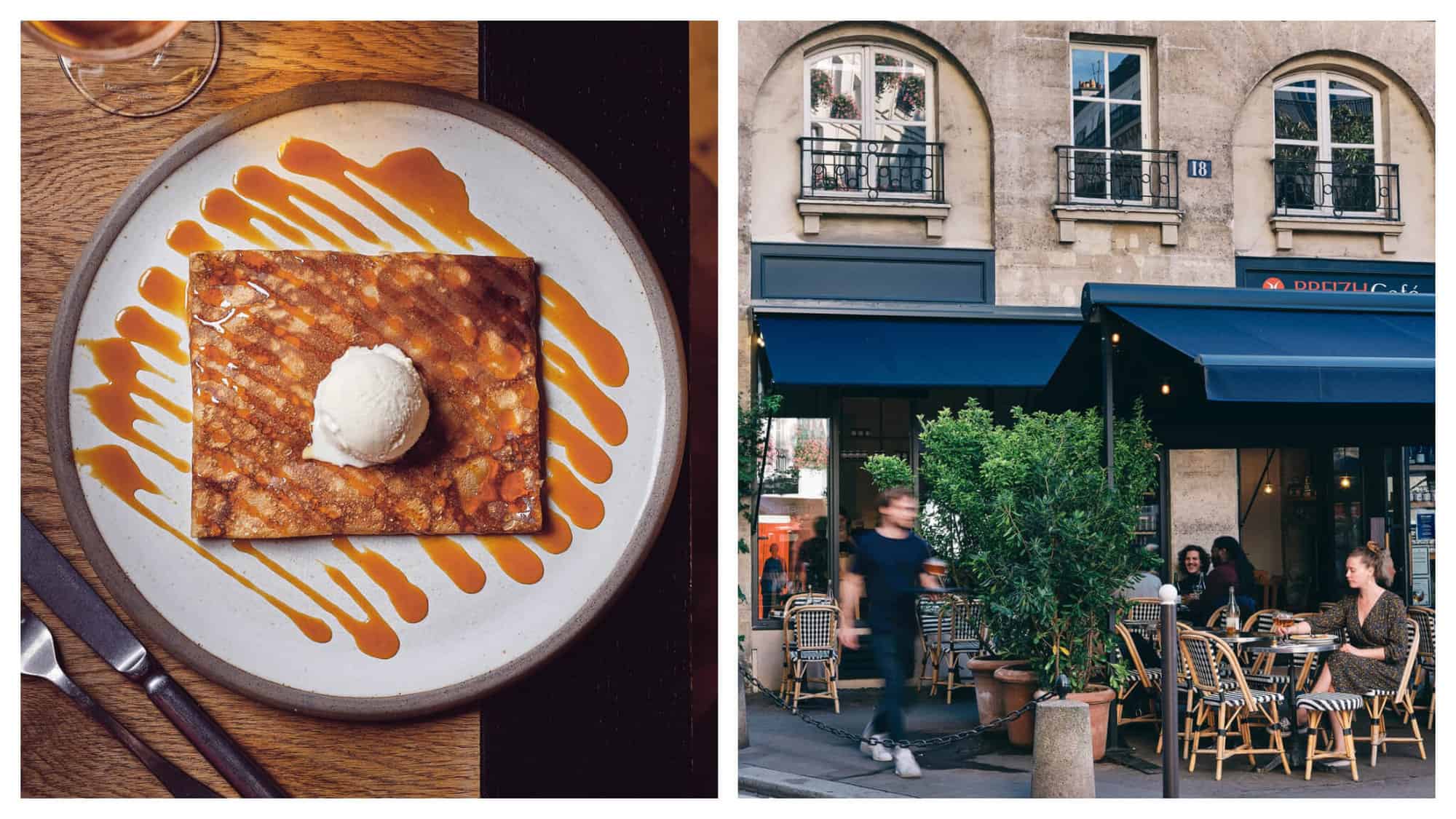
The crêpe is a thin pancake made from flour, milk, and eggs, cooked on a large, flat griddle. It is both a savory and sweet delight, with fillings ranging from ham and cheese to Nutella and bananas. The art of making the perfect crêpe lies in the delicate balance of ingredients and the skillful handling of the griddle, ensuring that the crêpe is thin, light, and evenly cooked.

Savory Crêpes

Savory crêpes, known as “galettes” when made with buckwheat flour, are a staple of French street food. They are typically filled with combinations of cheese, ham, eggs, and vegetables, offering a satisfying meal that can be enjoyed at any time of the day.

Sweet Crêpes

Sweet crêpes are a favorite among both children and adults. Filled with chocolate spread, fruit, whipped cream, or caramel, they are the perfect indulgent treat. The artistry in sweet crêpes lies in the creativity of the fillings and the presentation, making each crêpe a delightful experience.

Beyond the Crêpe

While the crêpe is undoubtedly the star of French street food, there are many other delectable options to explore.

Sandwiches and Baguettes

French sandwiches, often made with freshly baked baguettes, are a common sight at street food stalls. Fillings can range from the classic jambon-beurre (ham and butter) to more elaborate combinations including cheese, vegetables, and meats.

Tartiflette

Originating from the Alps, the tartiflette is a hearty dish made with potatoes, reblochon cheese, onions, and lardons. It is a comforting option for colder days, offering a taste of mountain cuisine in the city streets.

Churros and Other Sweets

Inspired by global cuisines, French street food vendors also offer treats like churros, a Spanish-origin pastry served with a dipping sauce, often chocolate. These international influences add to the diversity and appeal of French street food.

The Future of French Street Food

As with many culinary traditions, French street food is evolving. Young chefs and entrepreneurs are introducing innovative concepts, blending traditional French flavors with international influences. Food trucks and pop-up stalls are becoming more common, providing a platform for these culinary explorations.

Conclusion

French street food, with its emphasis on quality ingredients and artful preparation, offers a unique insight into the country’s culinary heritage. From the classic crêpe to the innovative sandwiches and international treats, the French street food scene is a celebration of food that is both accessible and exquisite. Whether you’re strolling through the streets of Paris or exploring the markets of Lyon, the art of French street food is an experience not to be missed.

Culinary Exploration at the Mall: Food Court Fusion

In the bustling corridors of shopping malls across the globe, a culinary revolution is quietly taking place. Once dismissed as mere pit stops for fast food and quick bites, food courts are now emerging as vibrant hubs of gastronomic exploration. “Food Court Fusion” is the phenomenon where diverse cuisines converge, offering mall-goers a chance to embark on a flavorful journey without leaving the comfort of air-conditioned spaces. This article delves into the world of food court fusion, highlighting its appeal, the variety it offers, and its impact on the culinary landscape.

The Appeal of Food Court Fusion:
Food courts have always been popular for their convenience and variety. However, the modern food court has evolved to cater to the adventurous palates of consumers who seek more than just a quick meal. The allure of food court fusion lies in its ability to offer a smorgasbord of international cuisines, often at a fraction of the cost of dining in a restaurant. From sushi to tacos, from pad Thai to pizza, the options are as diverse as they are delicious.

Variety and Innovation:
One of the most exciting aspects of food court fusion is the sheer variety of dishes available. Vendors often draw inspiration from global cuisines, adapting recipes to suit local tastes while maintaining authenticity. This fusion of flavors leads to innovative dishes that are both familiar and exotic. For example, a stall might offer a Korean-style beef taco or a Japanese-inspired curry with Indian spices, blurring the lines between culinary traditions and creating something entirely new.

The Social Experience:
Food courts are not just about the food; they are also about the experience. Eating in a food court is a communal affair, where friends and families gather around shared tables, sampling bites from each other’s plates. The casual atmosphere encourages interaction, making food courts a melting pot of cultures and conversations. It’s a place where people can connect over a love of food, breaking down barriers with every bite.

Sustainability and Local Ingredients:
In recent years, there has been a growing emphasis on sustainability and the use of local ingredients in the food industry. Many food court vendors are embracing this trend, sourcing their ingredients from local farmers and producers. This not only supports the local economy but also ensures that the food is fresh and of high quality. Sustainable practices, such as compostable packaging and minimal waste, are also becoming more common, reflecting a shift towards environmentally conscious consumption.

The Impact on Culinary Trends:
Food court fusion is not just a reflection of culinary trends; it’s also a driver of them. As vendors experiment with new flavors and combinations, they influence what people eat and where the food industry is headed. Social media plays a significant role in this, with food court dishes often going viral and inspiring a wave of copycats and adaptations. This dynamic exchange of ideas and flavors keeps the culinary scene vibrant and ever-evolving.

Conclusion:
Food Court Fusion is more than just a trend; it’s a testament to the power of food to bring people together and break new ground. By offering a diverse array of cuisines in an accessible and communal setting, food courts have become a beacon of culinary exploration. Whether you’re a seasoned foodie or a curious newcomer, the mall’s food court is an invitation to embark on a flavorful adventure, one plate at a time. So next time you’re at the mall, don’t just shop—experience the world through your taste buds at the food court fusion.

The Spanish Secret to Expensive Pork: Iberico Ham

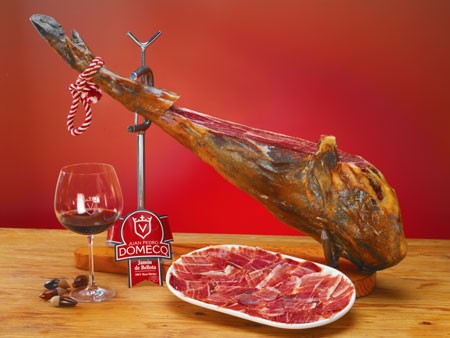
Nestled within the heart of Spain and Portugal lies a culinary treasure that has been celebrated for centuries – Iberico ham. This exquisite delicacy, often referred to as the Pata Negra or “Black Hoof,” is not just any ham; it is a testament to the meticulous art of pig rearing, feeding, and curing that has been perfected over generations. Iberico ham is not only a symbol of Spanish gastronomy but also an example of how a simple pork product can become a luxury item, commanding high prices in gourmet markets around the world. In this article, we will uncover the secrets behind Iberico ham’s unique flavor, texture, and its status as one of the most expensive pork products in the world.

The Origins of Iberico Ham:
The story of Iberico ham begins with the Iberian pig, a breed that has roamed the Iberian Peninsula for thousands of years. These pigs are known for their distinctive black hooves and their ability to thrive in the Dehesa, a unique Mediterranean oak forest ecosystem. The diet of the Iberian pig is a key factor in the quality of the ham. During the autumn months, the pigs are allowed to freely roam and feed on acorns (bellota), grasses, and herbs, which imbues the meat with a rich, nutty flavor and a well-marbled fat that is key to the ham’s melt-in-your-mouth texture.

The Art of Curing:
The process of transforming Iberico pork into the renowned ham is an art form that requires patience, skill, and a deep understanding of the environment. After being slaughtered, the pork is salted and left to cure for several days. The meat is then washed and hung in climate-controlled cellars, where it will age for a minimum of two years, and in some cases, up to four or more. During this time, the ham undergoes a complex fermentation process that develops its unique flavor profile and aroma.

Grades and Types:
Iberico ham is categorized into different grades based on the pig’s diet and rearing conditions. The highest grade is “Bellota,” which comes from pigs that have been fed exclusively on acorns during the montanera season. “Cebo de Campo” refers to hams from pigs that have been raised in the open and fed on a combination of acorns and other feed. “Cebo” is the grade given to hams from pigs that have been fed on grain and other feed in a more intensive farming system.

The Flavor and Texture:
The result of this painstaking process is a ham with a depth of flavor that is unparalleled. Iberico ham boasts a sweet, nutty taste with hints of the acorns and herbs that the pigs have consumed. The fat is not just a carrier of flavor but also a key component of the eating experience, as it dissolves on the tongue, releasing a cascade of rich, savory notes. The texture is silky and tender, with a marbling that ensures every bite is succulent and satisfying.

The Price Tag:
The high cost of Iberico ham can be attributed to several factors. The extensive rearing process, the lengthy curing period, and the limited supply of Iberian pigs all contribute to the ham’s premium price. Additionally, the demand for this gourmet product has grown significantly in recent years, with food connoisseurs around the world seeking out the unique taste of Iberico ham.

Conclusion:
Iberico ham is more than just an expensive pork product; it is a reflection of Spanish and Portuguese culture, tradition, and the deep connection between the land and its people. The meticulous care given to the Iberian pigs, the artisanal curing process, and the resulting exceptional quality of the ham justify its status as a luxury item. For those who have the opportunity to taste Iberico ham, it is an experience that transcends a simple meal, offering a glimpse into the rich tapestry of flavors that define the Iberian Peninsula.