The Hundred-Foot Journey: A Culinary Clash of Cultures

moviescout.org – Lasse Hallström’s 2014 heartwarming comedy-drama, “The Hundred-Foot Journey,” is a delightful tale of family, friendship, and the universal language of food. The film follows the Kadam family, who move from India to the picturesque village of Saint-Antonin-Noble-Val in France, where they open an Indian restaurant just across the street from a Michelin-starred French restaurant.

A Clash of Cultures

The film explores the cultural clash between the traditional French cuisine and the vibrant flavors of Indian cuisine. Madame Mallory (Helen Mirren), the stern owner of the French restaurant, initially views the Kadams’ venture with disdain. However, as the two restaurants vie for customers, a surprising friendship develops between Madame Mallory and Hassan Kadam (Om Puri), the patriarch of the Indian family.

A Culinary Duel

The film’s central conflict revolves around a culinary duel between the two restaurants. As the Kadams’ restaurant, “Maison Mumbai,” gains popularity, Madame Mallory feels threatened and challenged. However, she eventually recognizes the unique qualities of Indian cuisine and the passion of the Kadam family.

A Tale of Love and Loss

Beyond the culinary rivalry, “The Hundred-Foot Journey” also explores themes of love, loss, and the pursuit of dreams. The film follows the romantic relationship between Hassan’s son, Hassan Jr. (Manish Dayal), and Marguerite (Charlotte Le Bon), a young French woman who works at Madame Mallory’s restaurant. Their love story adds a romantic and heartwarming element to the film.

A Celebration of Diversity

The film celebrates the diversity of cultures and the power of food to bring people together. It shows how different cultures can coexist and even inspire each other. The film’s message of tolerance and understanding is particularly relevant in today’s world.

A Taste of Cinema

“The Hundred-Foot Journey” is a visually stunning film that captures the beauty of the French countryside and the vibrant colors of Indian cuisine. The film’s delicious food and beautiful cinematography make it a feast for the senses.

Key Themes Explored in the Film:

  • The Power of Food: The film highlights the power of food to bring people together and evoke emotions.
  • Cultural Exchange: The film celebrates the exchange of cultures and the breaking down of barriers.
  • The Pursuit of Dreams: The film encourages viewers to pursue their passions and never give up on their dreams.
  • The Importance of Family: The film emphasizes the importance of family and the support that family members provide.

Conclusion

“The Hundred-Foot Journey” is a heartwarming and inspiring film that celebrates the power of food, love, and friendship. It is a film that will leave you feeling uplifted and hungry for more.
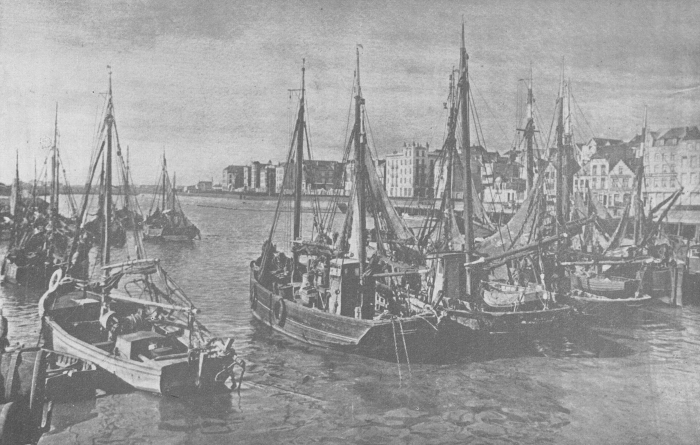
The Boats: Connecting Cultures in Belgium’s Maritime History

moviescout.org – Belgium, a country with a rich maritime heritage, has long been a crossroads of European trade and culture. The role of boats in this narrative is pivotal, serving not only as vessels for commerce but also as bridges between diverse cultures. This article explores the historical significance of boats in Belgium, highlighting their role in fostering cultural exchange and connectivity.

Belgium’s Maritime Heritage

Belgium’s geographical position, with access to both the North Sea and major rivers like the Scheldt, has always made it a strategic location for maritime activities. From the medieval period to the modern era, Belgian ports such as Antwerp and Bruges have been bustling hubs of maritime trade, attracting merchants and travelers from across the continent.

The Ferryman’s Crossing

The concept of the “ferryman’s crossing” encapsulates the essence of maritime connectivity. Ferrymen, who operated boats to transport people and goods across rivers and seas, played a crucial role in facilitating cultural exchange. Their boats were not just means of transportation but also meeting points where ideas, languages, and traditions intermingled.

Cultural Exchange and Connectivity

Boats in Belgium have been instrumental in connecting cultures. The maritime routes facilitated by these vessels allowed for the exchange of goods, but more importantly, they enabled the sharing of knowledge, art, and customs. The cosmopolitan nature of Belgian ports, with their diverse populations of sailors and traders, created a melting pot of cultural influences.

Historical Examples

Throughout history, boats have been at the forefront of significant cultural exchanges in Belgium. For instance, the Hanseatic League, a commercial alliance of merchant guilds and market towns in Northwestern and Central Europe, used Belgian ports as key nodes in their trade network. This interaction brought together the cultures of the Baltic region, the North Sea, and the Iberian Peninsula, leaving a lasting impact on Belgium’s cultural landscape.

Contemporary Relevance

Even today, boats continue to play a vital role in Belgium’s cultural connectivity. The country’s extensive network of canals and rivers, along with its modern ports, ensures that maritime traditions remain alive. Cultural festivals, maritime museums, and historical reenactments celebrate the enduring legacy of boats in connecting cultures.

Conclusion

The ferryman’s crossing is a powerful metaphor for the role of boats in Belgium’s maritime history. These vessels have been more than just tools for navigation; they have been the threads that weave together the tapestry of cultural exchange and connectivity. As Belgium continues to embrace its maritime heritage, the significance of boats in fostering cultural dialogue remains an enduring legacy.

Women’s Perspective: The Leather and Lace of Motorcycle Culture

moviescout.org – The roar of engines, the smell of leather, and the freedom of the open road – motorcycle culture is a world unto itself, steeped in tradition, camaraderie, and a distinctive style that has captivated enthusiasts for generations. While the image of a biker has long been dominated by a masculine archetype, women have been an integral part of this culture, bringing their own unique perspective and style to the leather and lace of motorcycle life.

Historically, women riders have had to navigate a male-dominated space, but their presence and influence have been steadily growing. Today, women are not just passengers on the back of bikes but are taking the lead, embracing the culture, and making their mark on the motorcycle world. This shift is reflected in the evolution of the leather and lace aesthetic that has come to symbolize the fusion of strength and femininity within motorcycle culture.

Leather, the quintessential material of motorcycle gear, is both practical and symbolic. It offers protection on the road, shielding riders from the elements and potential abrasions. But beyond its functional value, leather has become a canvas for self-expression. Women riders adorn themselves in meticulously crafted jackets, chaps, and boots, often customized with patches, pins, and embroidery that tell their personal stories and allegiances to clubs or groups. The leather ensemble is not just about safety; it’s a statement of identity and a nod to the enduring legacy of motorcycle culture.

Lace, on the other hand, might seem an unlikely companion to leather in the rugged world of motorcycling. Yet, it has found its place as a subtle nod to femininity within the culture. Lace can be seen peeking out from under leather cuffs, adorning tank tops, or even incorporated into the design of riding gear. It’s a delicate contrast to the toughness of leather, symbolizing the balance many women riders strike between their strength and their femininity.

The leather and lace dichotomy also reflects the diverse experiences of women within motorcycle culture. Some women embrace the more traditional, masculine aspects of biker life, while others infuse it with their own sense of style and grace. This diversity is celebrated within the community, as it enriches the culture and challenges outdated stereotypes.

Motorcycle events and rallies have become platforms for women to showcase their contributions to the culture. From all-female motorcycle clubs to women-led rides, these gatherings highlight the growing visibility and influence of women in the biker world. They also serve as a space for mentorship and community building, where women can share their experiences, offer advice, and support one another in their passion for riding.

Moreover, the rise of social media has played a significant role in amplifying the voices and visibility of women riders. Blogs, forums, and platforms like Instagram have become virtual meeting places where women can share their journeys, inspire others, and connect with a global community of like-minded individuals. This online presence has not only fostered a sense of solidarity among women riders but has also helped to demystify the biker lifestyle and make it more accessible to newcomers.

In conclusion, the leather and lace of motorcycle culture from a woman’s perspective is a testament to the strength, diversity, and femininity that women bring to the biker world. It’s a celebration of independence, community, and the freedom to ride, regardless of gender. As the culture continues to evolve, the contributions of women riders will undoubtedly shape its future, ensuring that the spirit of the open road remains as inclusive and vibrant as ever.