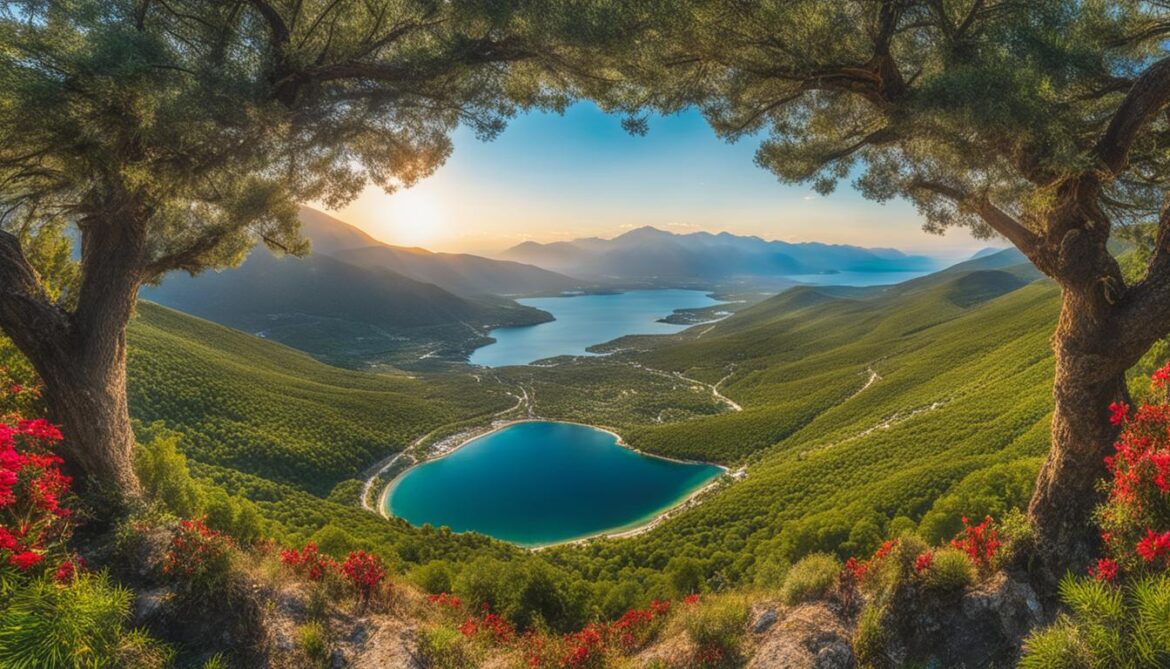
A Natural Wonderland: Montenegro’s Biodiversity

moviescout.org – Montenegro, a small country with a big heart for nature, is home to an astonishing array of biodiversity. Its diverse landscapes, ranging from the Adriatic coastline to the towering peaks of the Dinaric Alps, provide a habitat for a rich tapestry of flora and fauna. This article explores the natural wonders of Montenegro’s biodiversity and the conservation efforts underway to protect its precious ecosystems.

The Tapestry of Montenegro’s Ecosystems

Montenegro’s biodiversity is a direct result of its varied ecosystems. The country’s natural habitats include coastal wetlands, lush forests, alpine meadows, and deep canyons, each supporting a unique assemblage of species.

Coastal Wetlands

The Adriatic coast of Montenegro is dotted with wetlands, such as the Ulcinj Salina, which is a Ramsar site of international importance. These wetlands are vital breeding and nesting grounds for numerous bird species, including the endangered Dalmatian pelican.

Lush Forests

The hinterland of Montenegro is covered with dense forests, primarily composed of beech, oak, and pine trees. These forests are not only a carbon sink but also a habitat for a variety of mammals, such as the brown bear, wolf, and lynx.

Alpine Meadows

As one ascends into the Dinaric Alps, the landscape transforms into alpine meadows, home to rare and endemic plant species. These high-altitude ecosystems are also crucial habitats for animals like the chamois and golden eagle.

Deep Canyons

The Tara River Canyon, one of the deepest canyons in Europe, is a prime example of Montenegro’s dramatic geography. Its steep cliffs and fast-flowing rivers support a diverse range of species, including the endemic Balkan trout.

Conservation Efforts in Montenegro

Recognizing the importance of its natural heritage, Montenegro has implemented various conservation measures to protect its biodiversity.

National Parks and Protected Areas

Montenegro has established five national parks—Biogradska Gora, Durmitor, Lovćen, Skadar Lake, and Prokletije—which cover a significant portion of its territory. These parks are instrumental in preserving the country’s most valuable ecosystems and species.

Environmental Legislation

The government of Montenegro has enacted laws and regulations to safeguard its natural environment. These include strict controls on development in protected areas and measures to combat pollution and habitat destruction.

International Collaboration

Montenegro actively participates in international conservation efforts, such as the Birds Directive and the Habitats Directive of the European Union. It also collaborates with organizations like the International Union for Conservation of Nature (IUCN) to enhance its conservation strategies.

Challenges and Opportunities

Despite these efforts, Montenegro’s biodiversity faces several challenges, including climate change, habitat fragmentation, and invasive species. However, the country’s commitment to conservation and sustainable development offers hope for the future.

Conclusion

Montenegro’s biodiversity is a treasure that enriches the country’s cultural and natural landscape. Through continued conservation efforts and sustainable practices, Montenegro can ensure that its natural wonderland remains a vibrant and diverse ecosystem for generations to come.
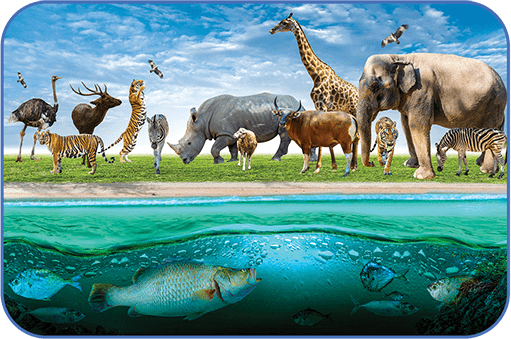
Wildlife Conservation: Preserving Biodiversity

moviescout.org – In an era where human activity has significantly altered the natural world, wildlife conservation has become a critical endeavor to preserve the planet’s biodiversity. The term ‘biodiversity’ encompasses the variety of life on Earth, including all the species of plants, animals, fungi, and microorganisms, the genes they contain, and the ecosystems they form. Preserving biodiversity is not just about protecting individual species; it is about maintaining the complex ecological systems that support life on our planet. This article explores the importance of wildlife conservation, the challenges it faces, and the strategies employed to ensure the survival of species for future generations.

The Importance of Biodiversity

Biodiversity is the backbone of ecosystem services, which are the benefits that humans freely gain from the natural environment. These services include air and water purification, pollination of crops, pest control, and carbon sequestration, which helps mitigate climate change. Beyond these practical benefits, biodiversity also has intrinsic value, offering aesthetic, cultural, and spiritual benefits to humanity. The loss of biodiversity, therefore, not only threatens the natural world but also undermines human well-being and economies.

Challenges in Wildlife Conservation

Wildlife conservation faces numerous challenges, including habitat destruction, climate change, pollution, invasive species, and poaching. Habitat destruction is the leading cause of species extinction, as it disrupts ecosystems and deprives species of the resources they need to survive. Climate change is another significant threat, altering habitats and disrupting the delicate balance of ecosystems. Pollution and invasive species can also devastate local wildlife, while poaching and illegal wildlife trade threaten the survival of many species.

Strategies for Wildlife Conservation

To address these challenges, conservationists employ a variety of strategies, including habitat protection and restoration, wildlife management, and public education and engagement. Protected areas, such as national parks and wildlife reserves, are crucial for providing safe habitats for wildlife. Conservation organizations also work to restore degraded habitats and reintroduce species to areas where they have become extinct. Wildlife management involves controlling human activities to minimize their impact on wildlife, such as regulating hunting and fishing. Public education and engagement are essential for building support for conservation efforts and encouraging sustainable behaviors.

The Role of Technology in Conservation

Technology is playing an increasingly important role in wildlife conservation. Advances in remote sensing, GPS tracking, and genetic analysis are providing new tools for monitoring wildlife populations and their habitats. Social media and other digital platforms are also being used to raise awareness and mobilize support for conservation efforts.

Conclusion

Wildlife conservation is a complex and challenging field, but it is essential for preserving the planet’s biodiversity for future generations. By understanding the importance of biodiversity, addressing the challenges that threaten it, and employing effective conservation strategies, we can ensure that wildlife continues to thrive. The role of technology in conservation offers new hope for protecting species and their habitats, but ultimately, the success of wildlife conservation depends on the collective action of individuals, communities, and governments around the world.